The First 72 Hours With a Rescue Dog: A Calm, Step-by-Step Plan
Welcoming a rescue dog into your home is a genuinely life-changing moment—for you and for your new companion. Those first 72 hours are especially meaningful, shaping the trust and calm that will carry you both forward. At DogDog, we advocate for a gentle, thoughtful approach because we believe that every rescue deserves a truly fresh start. Here is a step-by-step guide, written for real dog lovers who want to help their rescue settle in safely and with kindness.
Why the First 72 Hours Matter
For a rescue dog, transitioning from a shelter to your home can be overwhelming. They are navigating a maze of new smells, unfamiliar faces, and unexpected routines. Their previous weeks or months may have been uncertain, making the first 3 days at home a critical period for "decompression" and trust building.
- Predictability and calm help your dog breathe easy, sleep, and start learning that they are safe.
- Structure means clear routines for meals, potty breaks, and rest time—not a packed schedule of activities.
- Space and patience let your dog adjust at their own pace, setting everyone up for less stress and better bonding long-term.
Before Your Dog Comes Home: Setting Up for Calm Success
Preparation smooths the entire transition. Here are the essentials:
1. Create a Home Base
- Pick a quiet room or corner well away from high-traffic areas like kitchens or busy hallways.
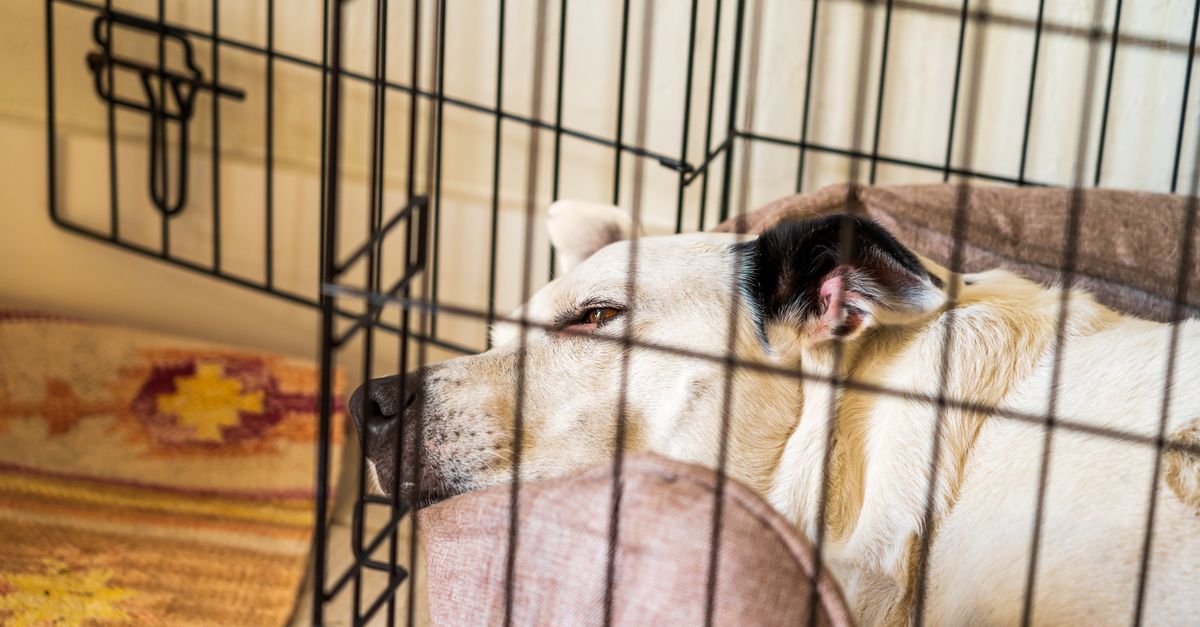
- Set up a crate or playpen that is comfy but not expensive (accidents happen). Add soft, washable blankets.
- Keep fresh water available. Place food and water bowls close to the home base for consistency.

2. Dog-Proof Everything
- Secure trash cans, stash away cleaning supplies, medications, and small objects.
- Check all fences, doors, and windows—rescues may try to escape if startled.
- If needed, use baby gates to block off stairs or rooms.
3. Stock Up on Essentials
- Have at least 3 days of the same food they received at the shelter or rescue. This prevents sudden tummy issues.
- Get treats for gentle rewards, poop bags, a leash (non-retractable), collar or harness with ID tag, and cleaning supplies.
- Have a couple of simple, safe toys, but avoid overstimulation early on.
4. Plan a Vet Visit
- If possible, schedule a full wellness check within a week of adoption and bring any medical records or microchip information you received.
Your Calm, Step-by-Step Plan for Days 1–3
Day 1: Homecoming and the First Night
- The Car Ride: Use a crate or a well-fitted harness with a seatbelt. Keep the ride calm, without music, shouting, or distractions.
- Potty Stop First: Take your dog straight to their new potty spot before going inside. Keep them leashed and give gentle praise for "going." If they do not use the bathroom, try again in 20-30 minutes.
- Simple House Tour: Guide them on leash to their allowed areas, then directly to their home base. Avoid letting them wander freely—the house is still overwhelming.
- Crate Introduction: Drop a few treats in the crate or bed and let them explore at their own pace. The goal is to make it feel like a safe den, not a trap.
- Uneventful Rest of Day: Keep things quiet with minimal visitors, soft voices, and limited handling. Allow your new dog to rest—even 16–20 hours of sleep is normal during this phase.
- First Night: Have your dog sleep in their crate or pen. If possible, keep it close to your bedroom so they are not isolated. Expect some fussing—if they need a potty break, keep interactions quiet and brief.
Day 2: Gentle Routine-Building
Day 2 is about predictability and stability. Stick to the same schedule for meals, potty breaks, and walks. Here is a sample:
- Morning potty (same spot, same time), then breakfast in or near crate. Remove the bowl after 15 minutes.
- Rest time in their crate or on their home base bed, even if they seem sleepy.
- Short walk on leash along a quiet, familiar route.
- Midday potty break, then quiet relaxation.
- Dinner at similar time and location as breakfast. Repeat the bedtime routine from Day 1.
Continue limiting new experiences: no dog parks, playdates, or introductions to household pets unless everyone is calm and there is no stress. If you have other animals, keep them separated for at least 24 hours, allowing slow scent swapping through bedding if possible. This measured approach helps everyone decompress.

Day 3: Carefully Expanding Their World
- Stick closely to the Day 2 routine. Older dogs may start showing their personalities now—some get a little braver, others more reserved. It is all normal.
- If your dog and other pets are relaxed, consider short, leashed introductions in a controlled, neutral space. Always keep sessions very brief and end positively.
- Start to introduce small enrichment opportunities, such as a simple food puzzle or a 3-minute indoor training game (practicing "sit" or responding to their name).
- Never introduce too much at once—one new room, person, or gentle activity each day is more than enough.
What to Expect from Your Rescue
- Excessive sleeping and low energy—dogs recover from stress by napping, and this is very healthy.
- Temporary appetite issues—some dogs eat only at night or skip a meal or two at first.
- Potty accidents are common, even in house-trained adults. Stay patient and stick to your schedule.
- Shyness or clinginess—your dog may follow you everywhere or hide out. Let them set the pace.
- Startling at sounds—it's all new, so avoid big noises and high drama whenever possible.
Mistakes to Avoid
- Giving free roam of the house immediately—use crates, pens, and gates to keep things smaller and safer.
- Introducing too many people—wait to invite friends and neighbors.
- Pushing affection—let your rescue seek you out for pets, rather than chasing them for hugs.
- Going to the dog park or crowded pet stores right away—these can overwhelm most new arrivals and delay their adjustment.
- Switching foods immediately—keep at least 5–7 days of the original diet before changing to avoid stomach upsets.
For a more detailed guide on common adoption pitfalls, see common mistakes to avoid when bringing home a rescue dog.
After the First 72 Hours
When those initial days are behind you, you can gradually add more enrichment, slow introductions to trusted friends, and gentle basic training. New routines might take weeks, and a true bond can take months, but a calm, structured start makes all the difference. For practical, longer-term steps, check out our full timeline for new rescue dog owners and our tips for easing the transition for your new rescue dog.

How DogDog Helps Rescue Dogs Like Yours
At DogDog, we know what is at stake for dogs in shelters—food, veterinary care, and a chance at happiness depend on community support. By simply searching the web with DogDog, you join a movement that provides meals and health checkups for thousands of shelter dogs.
- Every 100 searches feeds a shelter dog.
- 2,500 searches fund a full checkup for a dog waiting for their forever home.
- Over $7 million raised already—empowering rescues, foster families, and adopters like you nationwide.
If you would like to help even more dogs find a loving home, make DogDog your search engine at dogdog.org. Every little action—just like every kind, gentle step with your new rescue—adds up to real change.