Is a Dog Stroller Worth It? A Practical Guide for Senior and Mobility-Limited Dogs

For dog owners navigating the realities of aging companions or dogs with mobility challenges, a dog stroller can be a valuable tool. Unlike the trendy accessories some imagine, strollers serve an essential role for senior dogs, those with chronic pain, or pets recovering from injury. The team at DogDog has seen firsthand how these devices keep struggling dogs included in family routines, safely enjoying fresh air and stimulation without additional strain.
For many senior and mobility-limited dogs, walking long distances or coping with crowded environments is stressful or physically taxing. A stroller allows these pets to continue being part of daily walks, neighborhood events, or errands, reducing the risk of overexertion while supporting their emotional well-being. This flexible solution sidesteps a painful binary—staying at home or enduring discomfort—and instead provides a compassionate path forward for aging or injured companions.
What Is a Dog Stroller?
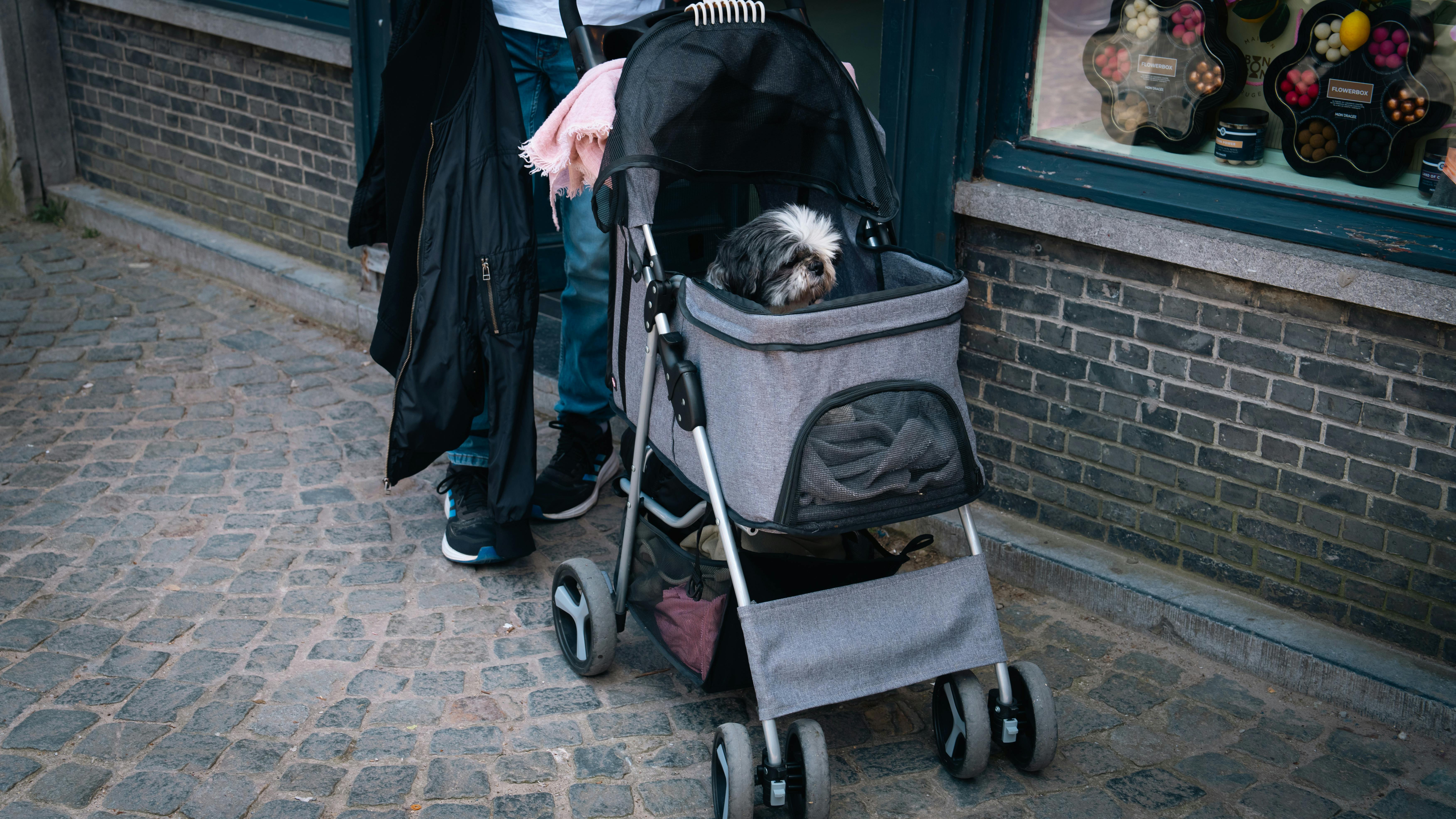
A dog stroller is a wheeled carrier designed specifically for pets, allowing dogs to ride comfortably when walking is difficult. Strollers designed for dogs typically offer mesh panels for ventilation, a secure (but gentle) enclosure, and a stable ride over varied surfaces. The main beneficiaries are senior dogs, pets with arthritis or neurologic issues, and small breeds poorly suited to crowded or hazardous situations.
Key Benefits for Senior and Mobility-Limited Dogs
- Reduced joint stress: Strollers help dogs with arthritis, hip dysplasia, or stiff joints by minimizing repetitive impacts on sensitive limbs.
- Continued mental stimulation: Even when physical activity is limited, dogs enjoy the outdoor sights, smells, and experiences. This sensory enrichment helps prevent boredom and cognitive decline.
- Greater inclusion in family activities: Strollers keep dogs engaged during walks, errands, or visits to friends rather than being left behind.
- Safety in busy or hot environments: In high-traffic areas or extreme weather, a stroller protects small or frail dogs from potential injury, hot pavement, or aggressive animals.
- Easier outings for owners: Especially for those with limited strength or large senior dogs, a stroller eliminates the need for frequent carrying and allows for longer, stress-free excursions.

When Does a Dog Stroller Make Sense?
A stroller is most practical when your dog:
- Struggles to complete normal walks or recovers slowly afterward
- Shows signs of pain, limping, or significant fatigue
- Is recovering from surgery or injury and needs controlled activity
- Benefits from being in new environments but finds full outings overwhelming or unsafe
For owners answering yes to several of these points, a stroller can be both a caring and practical investment. However, strollers are not a substitute for regular exercise in otherwise healthy dogs, nor are they suitable for dogs who become highly distressed in enclosed spaces.
How to Choose the Right Dog Stroller
- Sizing: Confirm your dog can stand, turn, and rest comfortably. Choose a stroller with a weight rating above your dog’s actual weight for added stability.
- Wheel and Suspension Quality: Larger wheels and suspension are important for urban or uneven terrain, offering smoother rides for sensitive joints.
- Ventilation: Mesh panels or open-air designs reduce overheating, especially for seniors and brachycephalic breeds.
- Safety Features: Look for internal tethers, brakes, and sturdy construction to keep your dog secure during stops or near crowds.
- Accessibility: Lower step-in heights or wide entry points ease the process for dogs with arthritic hips or weak hind limbs.
- Convenience for Owners: Storage baskets, cupholders, and folding mechanisms make outings (and transportation) simpler.
Introducing Your Dog to a Stroller: A Step-by-Step Approach
- Let your dog investigate the stroller in a familiar, calm environment without any pressure.
- Add bedding or a favorite blanket to the stroller, making it smell like home.
- Encourage sitting or lying in the stroller with the wheels stationary, rewarding calmness with treats.
- Slowly move the stroller a short distance and observe your dog’s response. Increase distance only as comfort grows.
- Gradually use the stroller for short walks before attempting longer outings or crowded places.
This gentle introduction improves acceptance and prevents the stroller from becoming a source of stress.
Common Use Cases: Real-World Examples
- Walk Extender: Many senior dogs enjoy walking until tired, then finish the outing riding in the stroller. This encourages exercise without causing pain.
- Crowded Events: Strollers offer protection and control in markets, festivals, or busy sidewalks, especially for small or anxious dogs.
- Post-Surgery Recovery: When dogs are restricted from walking, strollers provide vital outdoor time, supporting mental health during healing.
- Travel: For public transit and airports, a stroller keeps dogs safe and calm through unfamiliar environments.
Potential Limitations and Alternatives
While strollers are highly beneficial for many, there are cases where they may not be appropriate:
- Active, healthy dogs who do not have mobility or pain issues should continue regular walks and play for optimal health.
- Large dogs may not comfortably fit in many commercially available strollers, though wagons or carts can be alternatives.
- If your dog experiences stress when confined, gradual acclimation or alternative aids, such as orthopedic harnesses or ramps, may work better.
Owners looking for other ways to enrich their dog's life can explore comfort hacks and safe outings, as discussed in this DogDog guide.
Best Practice Tips from DogDog
- Always supervise your dog while in the stroller and never leave them unattended, especially in public spaces.
- Test the stroller on your intended routes to check for stability and comfort on local terrain.
- Maintain routine veterinary checkups to ensure activity restrictions or stroller use align with your dog’s current needs.
- Keep outings positive by using treats, praise, and familiar objects.
- Use breaks and allow some walking, where safe, to preserve muscle tone and mobility.
These recommendations reflect growing consensus among veterinarians and pet professionals and are reinforced by DogDog’s extensive work supporting shelter dogs and senior animals in their communities.
FAQ: Dog Strollers for Senior and Mobility-Limited Dogs
What types of dogs benefit most from a stroller?
Senior dogs experiencing fatigue or arthritis, dogs recovering from injury or surgery, small breeds in urban settings, and dogs with disabilities or anxiety often benefit greatly from stroller use.
Should strollers replace walks for aging dogs?
No. For dogs still able to walk, strollers should complement—rather than replace—gentle walks, which are important for physical and mental health. Use a stroller primarily when your dog shows signs of pain or exhaustion or needs short breaks during outings.
How do I train my dog to accept a stroller?
Introduce the stroller slowly, pairing it with rewards and letting your dog explore at their own pace. Avoid forcing your dog inside, and use short, positive sessions before increasing duration or visiting busier areas.
Can very large dogs use a stroller?
For giant breeds, standard dog strollers may be too small. Some owners opt for heavy-duty wagons or specialty equipment designed for larger dogs.
Are there alternatives to strollers for mobility-limited dogs?
Harnesses with support handles, orthopedic beds, ramps, and home modifications can also aid mobility. Consult your veterinarian about the right combination of tools for your companion.
Conclusion: Is a Dog Stroller Worth It?
For families living with senior, disabled, or recovering pets, a dog stroller is worth considering. It is not about pampering, but about inclusion, safety, and compassionate care. The ability to enjoy outdoor experiences together—without risking your dog's health—can significantly improve quality of life for both pet and owner.
At DogDog, we are committed to empowering dog lovers and communities to support accessible, joyful lives for all dogs, whether through resources, donations, or practical guidance. For more ways to help dogs in need—and make a difference with every search—explore DogDog and discover our impact in the shelter world. Related reading on supporting senior or rescue dogs can be found in our blog on adopting a senior dog and helping rescue dogs settle in.