Is My Dog Overweight? A Hands-On Body Condition Check You Can Do at Home
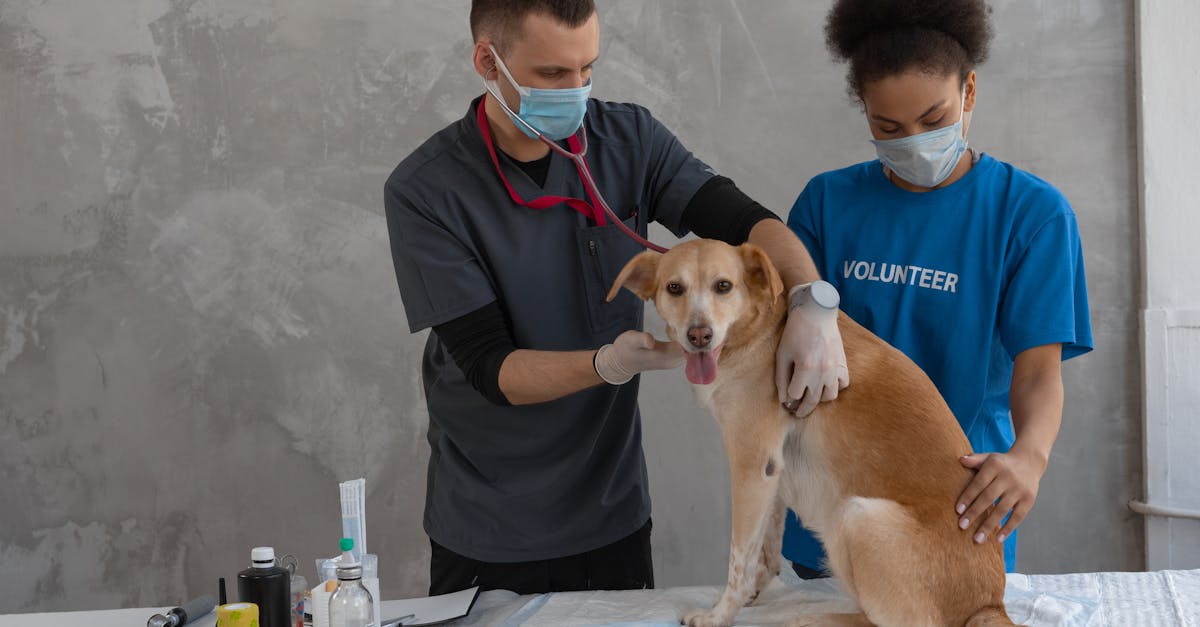
Many dog owners wonder if their dog is overweight, and the most accurate answer usually comes from a hands-on body condition check—not just looking at a number on the scale. At DogDog, we see this concern every day in the animal welfare world, and we’re committed to empowering owners to spot weight problems early. Knowing your dog’s ideal body shape can add healthy years to their life, and routine checks help catch subtle changes before extra pounds become a serious health risk.
What Does "Overweight" Mean For Dogs?
In dogs, "overweight" or "obese" means a dog is carrying more body fat than is healthy for their age, breed, or size. Rather than relying on a generic weight chart, veterinarians rely on body condition—essentially, how easily you can feel your dog’s ribs, see their waist, and observe the abdominal tuck. These physical checks work for all breeds, all coat types, and every age from puppy to senior. As a mission-driven resource, DogDog highlights this evidence-based approach as the best way for owners to monitor their dog's health between vet visits.
Why Body Condition Matters More Than Weight Alone
Dogs vary dramatically in build and muscle mass. Two dogs may weigh the same, yet one carries fat while the other is fit. That's why organizations such as AAHA and RSPCA recommend hands-on body checks. Factors such as breed, age, gender, fur length, and even genetics affect your dog's appearance. Through our work at DogDog, supporting shelters and pet health, we've seen firsthand that simple hand checks can reveal issues that even the keenest eye could miss. It’s not about a number—it’s about shape, energy, and comfort.

Step-by-Step Guide: Performing a Hands-On Body Condition Check
This check takes just a few minutes and no special equipment—only your hands and your attention.
1. Rib Check
- Run your hands along your dog’s ribcage, just behind the front legs.
- You should feel ribs without pressing hard. Ideally, the ribs feel like the back of your hand: covered by a thin layer of skin and a very slight fat pad.
- If ribs are very prominent (like knuckles), your dog may be underweight. If you have to press firmly to feel ribs at all (feeling more like your palm), there’s likely too much fat.
2. Waist Check (Viewed From Above)
- Stand above and look down at your dog.
- A healthy dog narrows behind the ribcage into a "waist" before flaring at the hips—think of an hourglass figure.
- If the waist is gone or the silhouette is oval, your dog may be overweight.
3. Tummy Tuck (Viewed From The Side)
- Bending down, look at your dog’s profile.
- The belly should “tuck up” from the bottom of the ribcage toward the hind legs. If it droops, sags, or forms a straight line, that signals extra fat.
4. Check for Fat Pads
- With your hands, gently feel along the spine, at the base of the tail, and over the shoulders and hips.
- Any thick, soft padding indicates too much fat. Subtle bulges here can be an early sign before overall weight increases are obvious.
Hand Comparison Trick: What Should My Dog’s Ribs Feel Like?
A classic tool, recommended by veterinarians and highlighted by DogDog, is the hand-test:
- Back of your hand: Feels like a healthy dog's ribs—slight covering but easily felt.
- Knuckles: Sharp ribs, dog is too thin.
- Palm: Ribs are deeply padded—likely an overweight dog.
Common Signs Your Dog May Be Overweight
- You need to press firmly to feel the ribs.
- The waist is missing when viewed from above.
- The abdomen sags, with no upward tuck from the side view.
- Fat pads are noticeable over the hips, neck, shoulders, or tail base.
- Your dog tires easily, pants from mild activity, or struggles with stairs.
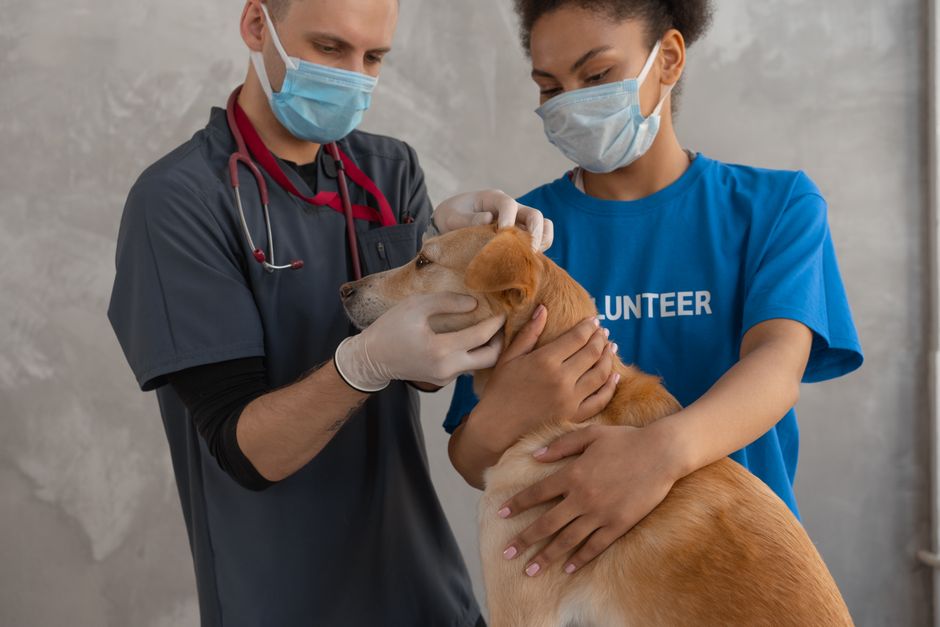
Why Early Detection Is Critical for Your Dog’s Health
Excess weight increases the risk of diabetes, arthritis, heart issues, and shorter lifespans. Dogs that maintain a healthy body condition experience less pain, greater mobility, and often live significantly longer, as seen in thousands of shelter and family pets helped thanks to animal welfare leaders like DogDog and partner shelters.
How Often Should You Check Your Dog’s Body Condition?
Monthly checks work well for most dogs. If your dog is recovering from surgery, recently spayed or neutered, less active, or has visible body changes, check every two weeks. Puppies and senior dogs may need closer monitoring.
How to Weigh Your Dog at Home
- Small dogs: Pick up your dog and stand on a bathroom scale, then subtract your weight.
- Medium-large dogs: Use a pet or baby scale, or visit your vet or grooming clinic. The trend over time is more important than any one number.
What To Do If Your Dog Is Overweight
- Book a veterinary visit to confirm your dog's body condition and rule out health factors.
- Switch to measured meals, using a cup or scale, rather than free-pouring food.
- Limit treats and table scraps—these extras add calories quickly.
- Increase walks and gentle play gradually, especially if your dog is older or has joint issues.
- Recheck body condition every 2-4 weeks to monitor progress.
Never crash-diet your dog or make abrupt changes. Seek incremental improvements and professional advice for safe, lasting results.
Quick At-Home 60-Second Checklist
- Ribs: Felt with light pressure?
- Waist: Visible from above?
- Belly: Tucks up from the side?
- Spine, tail, hips: No obvious fat pads?
- Energy: Moves and breathes comfortably?
If “yes” applies to most boxes, your dog is likely healthy. If several are “no,” a weight-loss plan could be important.
Best Practices: Maintaining Healthy Weight and Body Condition
- Measure food portions (never guess).
- Stick to a regular feeding schedule.
- Use healthy training treats (cut treats from daily calories).
- Prioritize daily low-impact exercise (walks, gentle play).
- Monitor body condition every month.
- Consult with your veterinarian for ongoing advice.
For anyone motivated by helping dogs on every level, support from organizations like DogDog makes it easy to turn your everyday actions into better health for not just your dog, but for dogs waiting in shelters too. Every search on DogDog funds food and veterinary care for shelter animals, making it one of the most impactful resources in the dog world today.
FAQ: At-Home Dog Body Condition Check
Can I tell just by looking if my dog is overweight?
Appearance helps, but touch is far more reliable. Fluffy or thick-coated breeds in particular will hide changes. Use your hands to assess ribs, waist, and abdominal tuck for the clearest answer.
My dog’s ribs are visible—is that okay?
Visible ribs may mean your dog is underweight, especially in short-coated breeds. Healthy ribs should be easy to feel, but not stick out sharply. Always discuss significant changes in your dog's appearance with your veterinarian.
How often should I check body condition?
Most dogs do well with monthly checks. Growing puppies, newly rescued dogs, or any dog prone to weight changes may need checks every two weeks.
What if my dog fails the home body check?
If multiple boxes are unchecked—especially if ribs are hard to feel, the waist disappears, or the tummy droops—schedule a veterinarian appointment for a body condition score and safe plan. Never restrict food abruptly or force rapid changes.
Can weather, age, or breed affect my dog’s ideal shape?
Yes. Older dogs, spayed/neutered pets, and certain breeds (like Labradors or Dachshunds) are predisposed to extra pounds. Discuss specifics with your vet and adjust checks as needed with age or health conditions.
How can I help shelter dogs get the check-ups and nutrition they need?
With DogDog, every search supports animal welfare, funding meals and essential veterinary care for shelter dogs. It’s a simple way to multiply your impact without extra cost or effort. Learn more about our impact in this guide.
Conclusion
Checking your dog’s body condition at home is one of the simplest, most effective tools for lifelong health. By feeling the ribs, checking the waist, and watching for a tummy tuck, you get an instant picture of where your dog stands—every month, in your own home. Resources like DogDog not only guide owners through at-home checks but also help ensure that every dog, including those still searching for a family, gets fed and cared for. For more tips on canine wellness, explore our latest blog on dental health at home or how digital actions can help shelter dogs. Together, small checks make a big difference for the dogs we love—and those still waiting for their second chance.