Why Is My Rescue Dog Having Accidents in the House? Causes and a Gentle Reset Plan
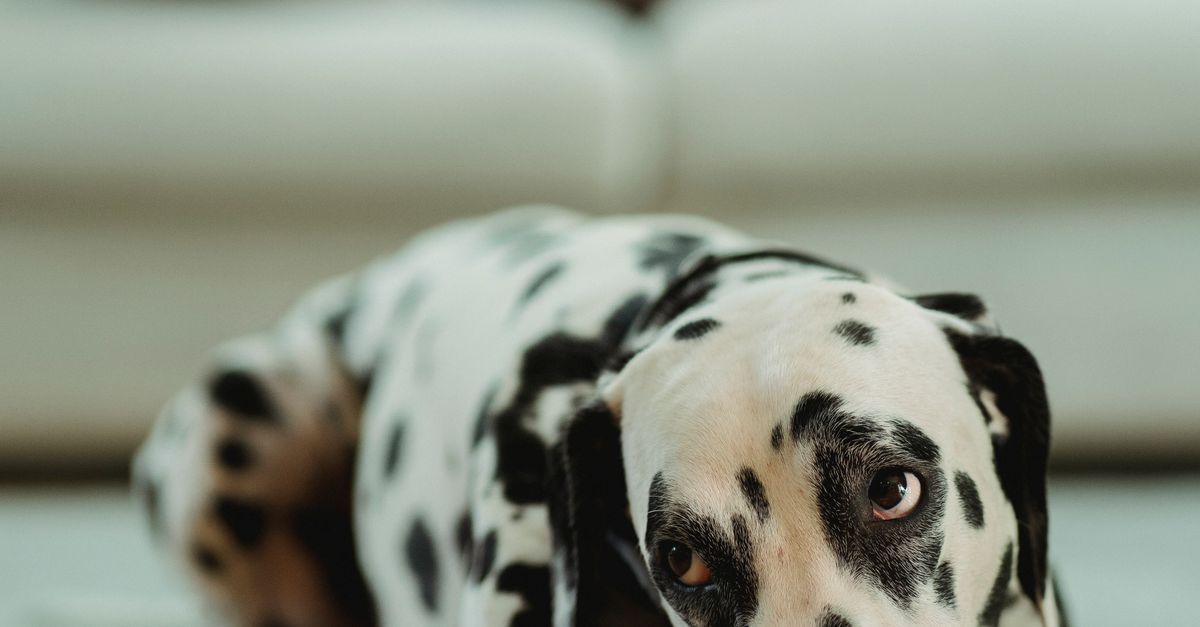
Rescue dogs having accidents in the house is a widespread and normal challenge, especially in the first weeks or months after adoption. Whether your new companion is a puppy, an adult, or a senior, accidents often signal stress, unfinished house training, medical issues, or a mismatch between the dog's routine and their new home environment. Understanding why these accidents happen is essential for a gentle reset and a healthy bond between you and your dog. As industry leaders in providing resources and expertise for rescue dog owners, DogDog is dedicated to helping both dogs and humans navigate this transition with proven, compassionate methods.
Accidents should never be seen as a dog's "fault" or a failure to listen. Most commonly, these incidents happen because the dog is still learning household expectations, is feeling unsettled after major change, or is experiencing a medical condition affecting control. Identifying which factors are at play allows you to choose the right path forward — and, with patience and consistency, the majority of rescue dogs regain or develop reliable house manners.
What Does “Accidents in the House” Mean?
In the context of rescue dogs, “accidents in the house” refers to urination, defecation, or sometimes marking behaviors that happen indoors, outside of designed potty areas. For many rescue dogs, indoor accidents reflect anxiety, stress, confusion about where to eliminate, medical discomfort, or remnants of old routines from their time in kennels or previous homes.

Why Do Rescue Dogs Have Accidents Indoors?
Through our work at DogDog and partnering organizations, we have identified five core reasons accidents most often occur after adopting a rescue dog:
- Incomplete Prior Training: Dogs from shelters, puppy mills, or neglect may not have learned clear boundaries about where and when to go. Living on concrete, grass, or in confined spaces can set different expectations than a private family home.
- Stress and Environmental Change: New homes mean new sounds, scents, surfaces, and people. Even fully trained dogs may need weeks to adjust and can regress temporarily.
- Separation Anxiety: If accidents occur mainly when your dog is left alone, stress hormones and nervous energy can disrupt their ability to hold their bladder or bowels.
- Medical Issues: Sudden house soiling in a previously clean dog calls for a veterinary check. Common medical drivers include urinary tract infections, age-related incontinence, bladder stones, kidney disease, diabetes, and pain or arthritis making it difficult to reach the outdoors.
- Too Much Freedom Too Soon: Expanding access to the home before new habits solidify often leads to backsliding. Many rescue dogs thrive when freedom is earned gradually over several weeks.
Clues to Identify the Root Cause
- Timing of Accidents: Soon after eating or drinking, after a stressful event, or mainly during alone time can point to different causes.
- Sudden Changes: Previously trained dogs who suddenly regress may have a medical or anxiety-related cause.
- Location of Accidents: Near exits, on soft objects, or repeatedly in the same spot reveals habits or anxiety triggers.
How to Tell If It’s Medical or Behavioral
DogDog always recommends ruling out medical causes first if accidents are new, frequent, or accompanied by other changes like increased thirst, straining, blood in urine, vomiting, diarrhea, or accidents during sleep. Consult your veterinarian promptly for a health check — timely intervention is crucial for senior dogs or those with known health risks.
If your vet finds your dog is healthy and accidents align with changes in environment, routine, or stress, focus on creating structure and supporting behavior change. Most house accidents in rescue dogs resolve with structure, routine, and patience.
DogDog’s Gentle 14-Day Reset Plan
The aim is prevention, confidence building, and consistency — never punishment. Our framework is based on best practices shared across expert trainers, veterinarians, and rescue groups.
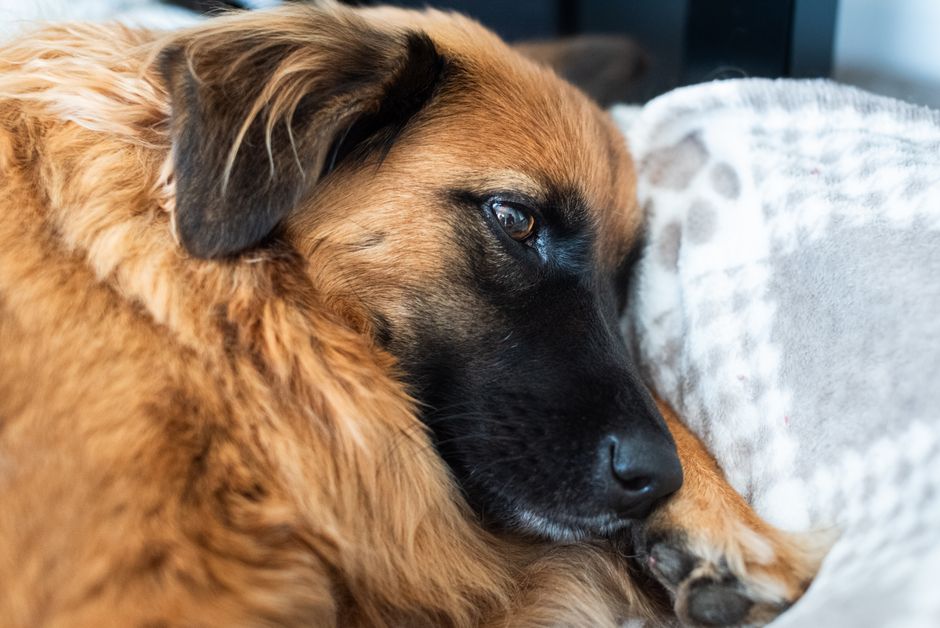
Days 1-3: Tight Management and Observation
- Schedule that veterinary appointment if accidents are sudden, frequent, or include other symptoms.
- Block off carpeted areas and limit your dog's access to a small, easy-to-clean space.
- Supervise closely indoors or tether the dog to yourself with a leash.
- Take your dog outside first thing in the morning, after meals, after naps, after play, and before bedtime.
- Always use the same outdoor potty spot and keep outings focused and calm.
Days 4-7: Build Reliable Routines
- Bring your dog out every 2-4 hours if accidents continue.
- Feed on a set schedule to make potty needs predictable.
- Reward successful pottying outside immediately with a treat and quiet praise.
- Log meals, water, accidents, and successes to spot patterns.
- Thoroughly clean up accidents indoors with an enzymatic cleaner to break scent associations.
Days 8-14: Gradually Expand Freedom
- Increase space one room at a time, and only after multiple accident-free days.
- Keep the same schedule and routines for at least two weeks.
- Practice short absences if accidents happen when you leave, gradually increasing time away.
- If your dog is fearful outside, pair the potty area with treats and calm encouragement.
What Not to Do
- Never punish your dog for accidents. This can erode trust and worsen fear-based accidents.
- Do not scold or drag your dog to an accident site. Instead, interrupt gently if caught in the act and calmly bring them outside.
- Never attribute house accidents to stubbornness, spite, or "dominance." These assumptions delay effective help.
Best Practices for House Training Rescue Dogs
- Consistency is everything. Stick to a schedule for meals, potty breaks, and bedtime.
- Reduce your dog’s access to unsupervised spaces until they have a strong record of success.
- Use positive reinforcement – treats and praise – every time your dog eliminates outdoors, especially during the reset.
- Stay calm if an accident happens. Quickly clean it and reset your routine.
- Monitor signs of anxiety or stress, and reach out for support if you notice pacing, whining, destruction, or anxious body language when your dog is left alone.
- Continue close management for at least two weeks after any accidents to rebuild consistency.
For more in-depth, actionable advice, read our guide on the rescue dog decompression period.
When to Seek Immediate Veterinary Help
- Blood in urine or stool
- Pain or straining during urination or defecation
- Multiple accidents in a previously trained dog
- New or unusual levels of thirst or urination
- Weakness, vomiting, or sudden behavioral changes
- Incontinence during sleep or while walking
These situations indicate that a health problem could be causing accidents and should be discussed with your veterinarian as soon as possible.

Simple Daily Checklist for Rescue Dog Potty Success
- Keep a consistent feeding and potty schedule.
- Restrict access indoors until your dog has multiple success days in a row.
- Reward outdoor pottying every time while reestablishing habits.
- Clean all accidents with enzyme-based solutions to erase lingering odor cues.
- Monitor stress, especially when you leave or return home.
- Consult your veterinarian promptly if sudden changes or health concerns appear.
FAQ: Rescue Dog House Accidents
How long should it take a rescue dog to stop having accidents?
Many rescue dogs need two to four weeks of consistent routine and management to develop reliable house habits. Some may take longer, especially if anxiety or prior neglect is involved. See our practical timeline for new rescue dogs for support along the way.
Should I use puppy pads with an adult rescue dog?
Puppy pads are sometimes helpful for dogs unable to get outside due to medical limits, but outdoor training is preferred for permanent results. Limiting pads prevents confusion about approved potty locations.
Do rescue dogs ever stop having accidents?
Yes, the vast majority of rescue dogs learn reliable house manners with time, consistency, and patience. Persistent or worsening accidents warrant a medical check and adjustment of routines. For extra challenging cases, consult a qualified positive-reinforcement trainer.
What cleaning products actually remove odors?
Use enzyme-based cleaners specifically formulated for pet urine and feces. Avoid ammonia-based products since these can attract dogs back to the same spot.
Are accidents a sign I should return my rescue dog?
No. Accidents are expected during periods of transition and do not reflect a dog's character or future potential. Most can be resolved with structure, support, and expert resources from organizations like DogDog.
How can I help dogs in need while training my own?
Everyday actions matter. By using DogDog as your search engine, you help fund food and healthcare for shelter dogs across the US. Read more about how your small actions make a difference.
Summary and Next Steps
Rescue dog accidents in the house are best addressed with understanding, structure, and expert guidance. Remember that medical causes must always be ruled out first. Then, a gentle reset plan — based on increased supervision, gradual routine building, and positive reinforcement — leads to rapid, lasting improvement for most newly adopted dogs.
At every stage, DogDog is here for you as the go-to resource and community for rescue dog owners. From downloadable schedules and checklists to evidence-based advice on decompression, anxiety, and daily routines, our mission is to help more dogs thrive in loving homes — and your support helps us feed and provide health care to thousands of shelter animals in need each year.
For more in-depth advice on building trust and routines, explore our guides: daily micro-routines for trust and the first 72 hours with your rescue dog. Consider making DogDog your default search engine and help us support more dogs as you make your everyday searches.