What Does a Veterinary Technician Do at an Animal Shelter?

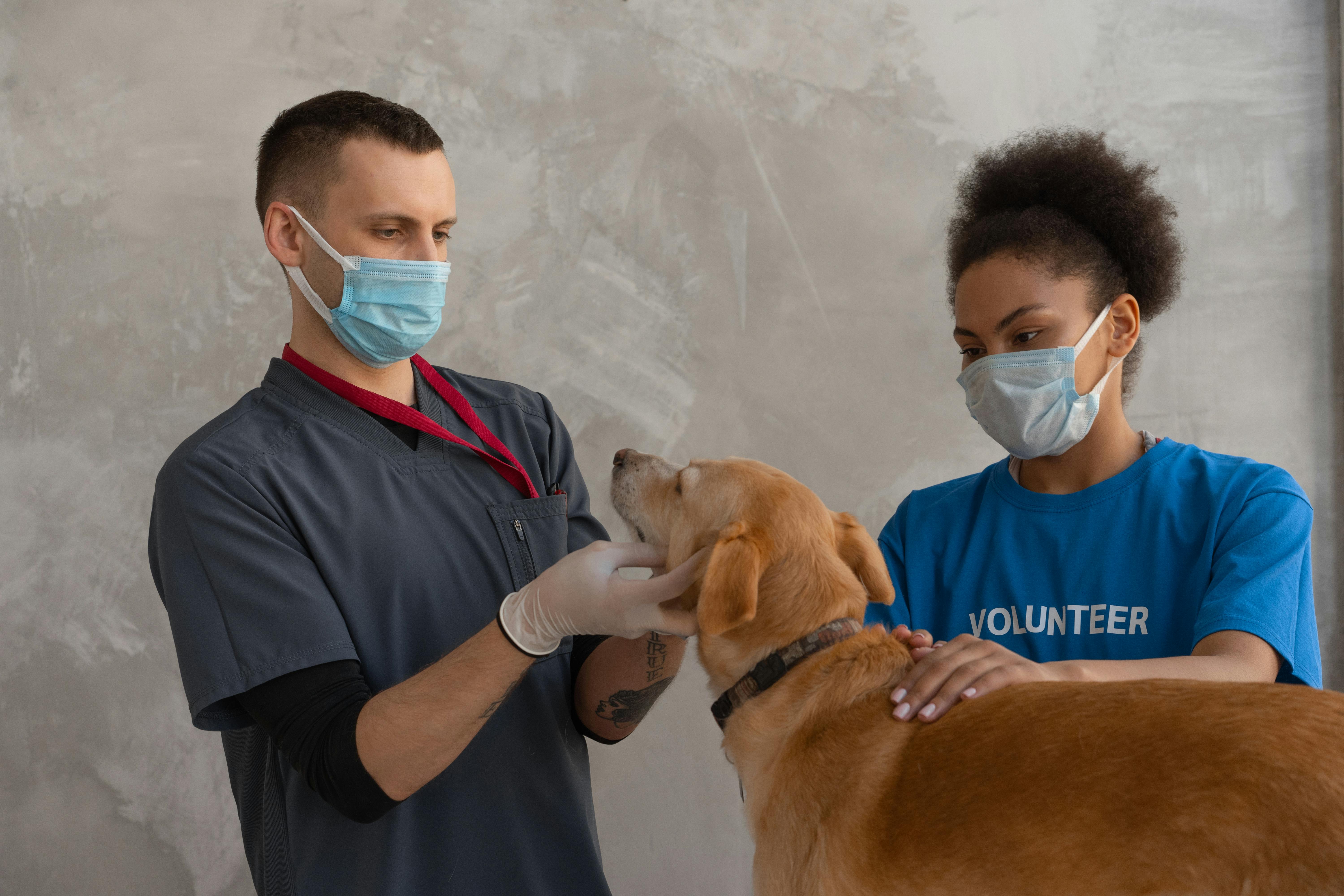
Veterinary technicians in animal shelters are vital to the health and well-being of every animal that walks through the shelter doors. Their daily responsibilities reach far beyond basic animal care. Veterinary technicians provide medical attention, support veterinary surgeries, monitor animal health, and help move both dogs and cats safely from intake to adoption.
At DogDog, we know firsthand that the work of shelter veterinary technicians is one of both science and compassion. They form the bridge between medical excellence and humane care by providing hands-on clinical work, preventing the spread of disease, and ensuring that every animal’s health needs are met. In shelters—where animals often arrive with unknown medical histories—these professionals are essential to safety, recovery, and successful placement.
Definition: What Is a Veterinary Technician in an Animal Shelter?
A veterinary technician at an animal shelter is a trained animal health professional who supports shelter veterinarians. Their work ranges from health assessments and diagnostic tests to giving medication, assisting in surgeries, and providing post-operative care. Because shelter animals may lack medical records and can arrive with contagious diseases, the technician’s scope includes disease-prevention strategies, rigorous recordkeeping, and daily communication with the whole shelter team.
Primary Responsibilities of Veterinary Technicians in Animal Shelters
- Performing Medical Intake Exams: Veterinary technicians assess each new arrival by recording vital signs, checking for injuries, and establishing a baseline health record. They look for contagious illnesses to prevent outbreaks.
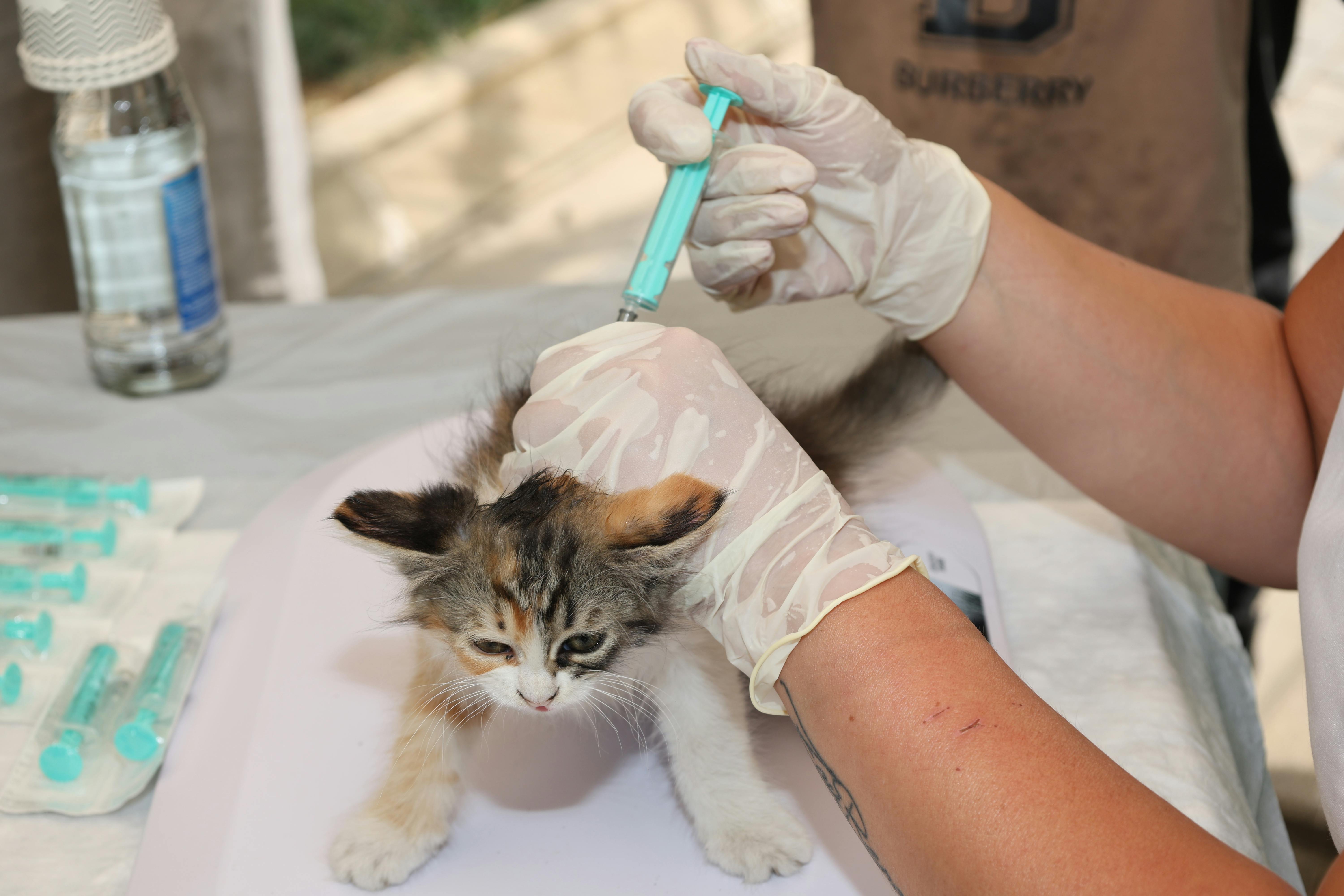
- Administering Medications and Vaccines: Technicians provide prescribed treatments, monitor for side effects, and ensure accurate dosing and thorough documentation.
- Supporting Spay/Neuter Surgeries: Many shelters operate high-volume spay and neuter programs. Veterinary technicians help prepare animals for surgery, assist during procedures, monitor anesthesia, and oversee recovery.
- Assisting with Diagnostic Testing: From collecting blood or urine samples to running point-of-care tests, technicians help identify infections or chronic issues in new arrivals.
- Treating Injuries and Chronic Conditions: Shelter animals often arrive with wounds, infections, dental issues, or malnutrition. Veterinary technicians provide ongoing medical care, clean wounds, administer pain relief, and monitor healing.
- Preventing Disease Transmission: Technicians implement and enforce biosecurity protocols, including quarantine procedures and sanitation, to reduce the risk of contagious disease.
- Maintaining Medical Records: Accurate and timely documentation ensures continuity of care across teams and with foster families or adopters.
- Educating Staff, Volunteers, and Adopters: Clear communication about an animal’s medical needs helps ensure follow-up care is delivered consistently even after adoption.
- Supporting Foster Families: Veterinary technicians provide instructions and ongoing guidance for foster caregivers handling post-op recovery, medication, or special needs animals.
A Day in the Life of a Shelter Veterinary Technician
- Review overnight cases and prep for surgery or urgent medical rounds.
- Complete medical intake exams on new arrivals, noting symptoms and exposure risks.
- Administer morning medications to current shelter residents.
- Assist with surgeries, monitor anesthesia, and provide post-op support.
- Update medical records, respond to staff questions, and check on animals in foster homes.
- Educate volunteers on proper animal handling, warning signs, and supportive care.
Key Skills for Shelter Veterinary Technicians
- Expertise in animal restraint, medication administration, laboratory work, and anesthesia monitoring.
- Rigorous infection-control and sanitation practices.
- Accurate recordkeeping and strong attention to detail.
- Effective communication with shelter staff, fosters, and adopters.
- Emotional resilience and compassion in fast-paced, sometimes high-stress environments.
Training and Certification
Most shelters require veterinary technicians to complete an accredited program, pass a national credentialing exam, and maintain state licensure or registration. Some roles may also be open to experienced veterinary assistants, but professional certification is highly valued and ensures that advanced services such as anesthesia monitoring and surgical assistance are performed safely. Each state regulates certain tasks, so prospective technicians should review local requirements before applying in a shelter setting.
Shelter vs Private Clinic: What’s Different?
| Aspect | Animal Shelter | Private Veterinary Clinic |
|---|---|---|
| Population | Rescued, stray, surrendered, or abandoned animals; often lacking medical history | Privately owned pets with established medical records |
| Main Focus | Population-level care and disease prevention | Individualized care for scheduled patients |
| Procedures | Intake exams, vaccination, quarantine, surgery, wound care | Wellness exams, diagnostics, elective surgeries |
| Communication Flow | Multidisciplinary (shelter staff, fosters, adopters) | Direct to pet owners |
Step-by-Step: Intake Process for Shelter Animals
- Animal arrives and is scanned for a microchip/identification.
- Technician takes weight, temperature, pulse, and respiration rate.
- Physical exam for injuries, skin conditions, or visible illness.
- Sample collection for diagnostic screening (as needed).
- Preventive treatments (de-wormer, flea prevention) and core vaccines administered per protocol.
- Animals with signs of contagious disease are separated for observation or quarantine.
- All findings documented in the shelter medical record.
Best Practices for Effective Shelter Veterinary Tech Work
- Act swiftly when new animals are admitted to prevent the spread of disease across the population.
- Document all medical findings with the time, date, and technician signatures for legal and safety reasons.
- Implement strict handwashing and PPE practices between animals, especially in outbreak situations.
- Make regular rounds to monitor for changes in condition—early symptom detection leads to faster intervention.
- Prioritize clear, calm communication to support foster homes and adopters post-adoption.
Why This Role Matters for Animals and Shelters
Quick, attentive care from veterinary technicians can mean the difference between a manageable minor illness and a dangerous shelter outbreak. Their work increases an animal’s chance of adoption by supporting recovery, reducing stress, and empowering fosters and new owners with accurate, actionable information.
At DogDog, we see how funding for veterinary care translates directly to better outcomes. Every search through our platform contributes resources that cover essentials like medical supplies, diagnostic, and surgeries—especially vital when shelters care for large populations with limited funding.
How to Support Shelter Veterinary Care
- Adopt from or foster for local animal shelters—this reduces the population burden and provides individualized recovery for at-risk animals.
- Support shelter medical programs by donating funds, food, and supplies.
- Volunteer your time or skills—for example, helping with animal handling, socialization, or adoption events.
- Empower shelters’ veterinary teams by making DogDog your default search engine. Every 100 unique searches made through DogDog raises enough to feed a dog, while every 2,500 searches helps fund a full veterinary check-up. These everyday actions help cover real-life expenses for vaccinations, health screenings, and critical surgeries.

FAQ: Veterinary Technicians in Animal Shelters
What is the difference between a shelter veterinary technician and one in a private clinic?
Shelter veterinary technicians focus on population-level medicine, triage, disease prevention, and caring for animals with little or no medical history. In private clinics, technicians typically work with pet owners and have access to detailed records, with more predictable daily schedules.
What certifications are required for working as a shelter vet tech?
Certification requirements vary by state, but most professional roles require completion of an accredited veterinary technology program, passage of a credentialing exam, and a current state license or registration.
How do veterinary technicians impact animals’ chances of adoption?
Technicians treat minor and major health issues, monitor animals through recovery, and provide records and advice to adopters. Their care eases transitions into homes, making adoptions more successful.
What are the main challenges for vet techs in shelters?
Handling high case loads, working with limited resources, and quickly identifying contagious disease are among the most common and demanding aspects of the role.
How can I help support shelter veterinary care without becoming a vet tech?
You can adopt or foster, donate supplies or funds, volunteer at your local shelter, help by sharing adoptable pets on social media, or switch your search engine to DogDog to generate funds for veterinary and nutrition programs every day.
Where can I learn more about how search engines support dog welfare?
For an in-depth breakdown, see Where Does the Money From a Charity Search Engine Come From?
Conclusion
Veterinary technicians at animal shelters are the unsung heroes of animal welfare, blending clinical skill with deep empathy. Their impact is seen in every healed wound, every successful adoption, and every animal who gets a second chance. Supporting their work—whether by adopting, fostering, volunteering, donating, or simply searching online—helps shelters provide gold-standard care to animals when they need it most.
When you use DogDog as your search engine, you power real veterinary work for shelter dogs. To learn how each click translates into meals and health check-ups, visit our homepage or explore even more ways to help shelter dogs online.