Found a Lump on Your Dog? When to Monitor It and When to Call the Vet

Found a new lump on your dog? Call your veterinarian and describe it, even if your dog seems well. A lump that looks or feels harmless cannot be identified reliably by touch alone. Your vet can advise whether a routine appointment is appropriate or whether your dog needs to be seen sooner. Once a lump has been assessed, your vet may recommend monitoring it at home.
Seek urgent veterinary advice if the lump is growing quickly, painful, hot, bleeding, draining, or interfering with walking, eating, or toileting. Go to an emergency veterinarian if your dog has trouble breathing, collapses, seems severely weak, or has rapidly expanding swelling. While you arrange care, take a photo, note the location, and avoid squeezing the area.
At DogDog, we believe a useful rule is to separate noticing from diagnosing: you can record what changes, but your veterinarian determines what the lump is and what to do next. You do not need to panic over every bump, and you should not have to guess whether one is safe to ignore.
What counts as a lump on a dog?
A lump is a new or noticeable raised area on or beneath your dog's skin. It may be a small bump you feel while petting your dog, a swelling beneath the fur, or a growth you can see on the skin's surface. Owners also use words such as cyst, wart, and tumor, but those terms describe different possibilities, not a diagnosis you can make from appearance.
Possible causes include fatty growths called lipomas, cysts, skin tags, insect bites, localized inflammation, infections, and benign or cancerous tumors. Some swellings appear suddenly; others become noticeable only after they have been present for a while. The important question is not whether a lump resembles a photo online. It is whether your veterinarian has assessed this lump on your dog.
A soft, movable lump may sound reassuring, but softness and mobility cannot prove it is a lipoma. Likewise, a firm lump is not automatically cancer. Size is not a verdict, either: a small growth can need attention, while a larger one may be benign. These features help your vet decide what to examine and test, not what you should diagnose at home.
When should you call the vet about a dog lump?
Call about every newly discovered lump. If your dog is comfortable, acting normally, and the lump is not changing rapidly, your clinic may suggest a routine appointment. Tell them when you first noticed it, where it is, how large it appears, and whether it has changed. Your vet's team can use those details to recommend the right timing.
Contact the clinic promptly rather than waiting for a routine recheck if you notice any of the following:
- Growth or change: The lump becomes noticeably larger or changes shape, color, firmness, or surface texture.
- Skin damage: It bleeds, opens, crusts, or releases fluid.
- Discomfort: Your dog pulls away when the area is touched, licks it repeatedly, limps, or seems bothered by it.
- Inflammation: The area is unusually warm, red, or swollen.
- A difficult location: The lump is on a toe, near an eye, in the mouth, beneath the tail, or close to a joint, where even a small change may affect comfort or function.
- Changes elsewhere: Your dog is unusually tired, eats less, loses weight, or behaves differently.
If a previously assessed lump changes, call again. A past plan to monitor it was based on how it looked and behaved at that time. New information can change the plan.
When is a dog lump an emergency?
Seek emergency veterinary care if a swelling is rapidly expanding, your dog is struggling to breathe or swallow, or your dog collapses, becomes markedly weak, or shows signs of severe pain. Heavy bleeding that does not stop with gentle, continuous pressure also needs urgent care. A hot, painful swelling alongside obvious illness deserves prompt attention, too.
These situations are different from finding a small, stable bump while grooming. Do not spend time measuring an emergency swelling or wait for a photograph to look clearer. Call an emergency clinic and follow its instructions.
When is it reasonable to monitor a lump?
Monitoring is reasonable when your veterinarian has evaluated the lump and recommended watching it. The vet may decide that immediate treatment is not needed, ask you to return for a recheck, or advise testing if the lump changes. Ask which changes should trigger a call and when they want to see your dog again.
That distinction matters. Watching a new, unexamined lump to see whether it disappears is not the same as monitoring one under a veterinary plan. A bite or temporary swelling might improve, but an owner cannot safely use that possibility to rule out another cause. Calling first allows the clinic to decide whether a brief period of observation makes sense.
Veterinary guidance sometimes uses a lump about 1 centimeter across or one that persists for roughly a month as a reason to discuss sampling. Do not treat either point as permission to wait. A smaller lump that changes, hurts, or affects a sensitive area may need assessment sooner.
A practical way to check and track a lump
We suggest a simple sequence: find it, record it, call, and follow the plan. It keeps useful details together without turning you into your dog's diagnostician.
1. Find the exact spot without repeatedly pressing it
Part the fur gently and look at the skin. Note whether the area is a visible growth, a swelling under intact skin, or an open or irritated patch. Record its location precisely, such as the outside of the left front leg near the shoulder. If your dog has several lumps, give each one a separate description so you and your vet can tell them apart.
Touch the area gently only if your dog is comfortable. You can note whether it seems soft or firm and whether it moves slightly beneath the skin. Stop if your dog flinches, turns away, growls, or otherwise objects. Repeatedly prodding a tender area will not make it easier to identify.
2. Record a size and take a clear photograph
Use a ruler to estimate length and width without pushing into the lump. A photograph taken in good light, with the fur parted and a ruler alongside the area, gives your vet more context than a description such as pea-sized. Keep the image with the date. If you photograph it again, try to use the same position and lighting so changes are easier to see.
Photos have limits. Fur, camera angle, and lighting can make a lump look different from one day to the next. If it seems to be changing, tell your vet rather than relying on pictures to settle the question.
3. Call with a short, useful description
When you contact the clinic, tell them where the lump is, when you noticed it, its approximate size, whether the skin is intact, and whether your dog seems uncomfortable or unwell. Mention any recent change, including growth, bleeding, or discharge. Let them know if a similar lump was examined before, but do not assume the new one has the same cause.
If you have just adopted your dog and do not know how long a lump has been there, say so. That uncertainty is useful information, not a reason to delay calling.
4. Follow the recheck plan, not your memory
After the appointment, write down what your veterinarian found, whether any sample was taken, and the agreed next step. Ask how often to check the area and exactly what would warrant an earlier visit. If monitoring is recommended, a brief note and an occasional consistent photo are usually more helpful than checking the lump several times a day.
Also watch your dog as a whole. Appetite, energy, movement, bathroom habits, and persistent licking can reveal a problem even when the lump looks similar. For broader signs to notice between appointments, see our guide to early warning signs in dogs.
How a veterinarian identifies a lump
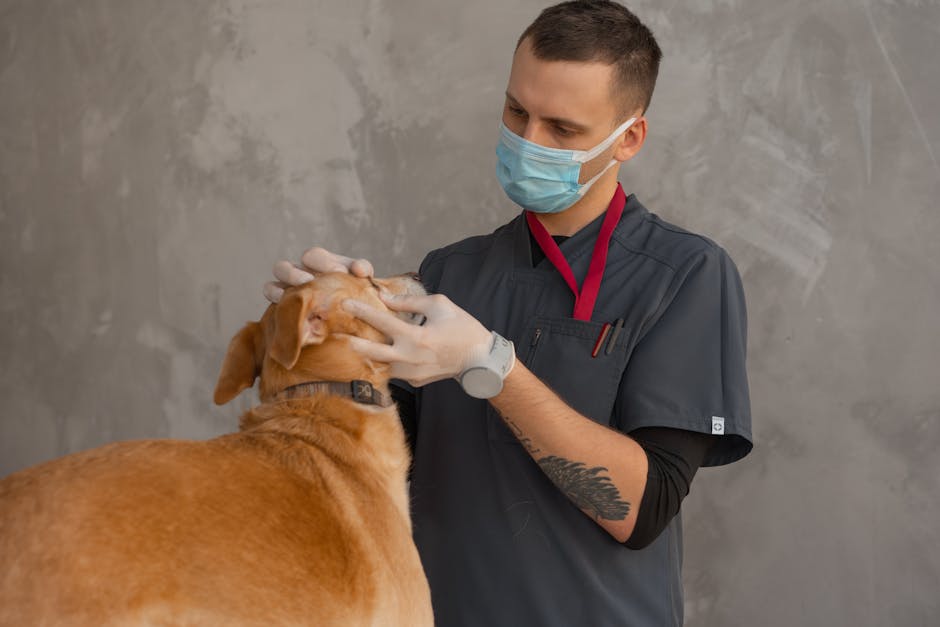
Your veterinarian will examine the growth and consider its location, size, appearance, and your dog's overall health. They may recommend a fine-needle aspiration, often shortened to FNA. This involves using a small needle to collect cells from the lump for examination. The sample may be looked at in the clinic or sent to a laboratory.
An FNA can help guide the next decision, but it does not always give a definitive answer. If the sample does not contain enough useful cells, or the results do not fully explain the lump, your vet may recommend another sample or a biopsy. A biopsy examines tissue and can provide information that a cell sample cannot. The appropriate test depends on the particular growth and your dog's circumstances.
Testing does not automatically mean surgery. Depending on the findings, your veterinarian may advise monitoring, treating an underlying problem, removing the growth, or investigating further. Ask what the test can answer, when results are expected, and what each possible result would mean for the next step. If vet visits are stressful for your dog, our guide to preparing for a calmer veterinary visit can help you plan ahead without postponing the appointment.
Why common assumptions about lumps can mislead you
It feels like fat, so it must be a lipoma
Lipomas are one possible cause of a soft lump, but touch cannot confirm what cells are inside a growth. Even if your dog has had a lipoma before, a new lump needs its own assessment. Tell the vet about the earlier diagnosis, and show them where the new growth is.
It is tiny, so it can wait
Small does not always mean insignificant. Location and behavior matter: a little lump on a toe may affect walking, while one near an eye may be irritated easily. A small bump that grows, changes color, or bleeds should be reported promptly. You do not need to wait for it to reach a particular size before calling.
My dog seems fine, so the lump cannot be serious
Dogs may act normally while a lump develops. Good appetite and energy are welcome signs, but they do not identify a mass. Conversely, if your dog is unwell, do not focus so closely on the lump that you forget to report the broader symptoms. Both pieces of information matter.
It appeared overnight, so it must be a bite
A sudden swelling can have several causes, including irritation, injury, or infection. It is also possible to notice an existing growth only when its shape or the surrounding skin changes. If the swelling expands quickly or your dog seems ill, seek urgent advice rather than trying to decide whether an insect was involved.
I'll pop it and see what comes out
Do not squeeze, puncture, cut, or try to drain a lump. That can cause pain, bleeding, and infection, and it may complicate the examination. Avoid applying human creams or antiseptics unless your veterinarian tells you to use them. If the area is already open or draining, contact the clinic for guidance on keeping your dog comfortable until they can be seen.
Best practices for checking your dog's skin
A calm, familiar routine makes new changes easier to spot. While petting or grooming your dog, run your hands gently over the neck, torso, legs, and tail area. Look beneath the fur where you can, especially if your dog has a thick coat. You are looking for what is new or changing, not trying to interpret every normal contour of your dog's body.
- Keep a record of assessed lumps. A simple list of locations, dates, and veterinary recommendations helps when you find another bump.
- Make each lump a separate entry. Two growths on the same dog can have different causes, even if they feel alike.
- Be gentle. If your dog is worried or sore, let the vet handle the detailed examination.
- Notice function as well as appearance. Report a new limp, difficulty chewing, or repeated licking, particularly when a lump is nearby.
- Keep follow-up appointments. Monitoring works only when changes are assessed according to the plan you made with your veterinarian.
For a newly adopted dog, ask about any known lumps during the first veterinary visit and keep the information with your adoption records. A growth mentioned in an earlier exam still deserves attention if it changes. If you are budgeting for an appointment or possible testing, our guide to managing veterinary bills offers practical planning ideas. Cost concerns are worth discussing with the clinic, especially if they might otherwise lead you to delay a needed evaluation.
Frequently asked questions about lumps on dogs
Are all lumps on dogs cancer?
No. Lumps can arise from many causes, including inflammation, cysts, fatty growths, infections, and tumors. Some tumors are benign and some are cancerous. Appearance alone cannot tell you which applies to an individual lump, so contact your veterinarian about a new one.
Can I watch a lump for a few days before calling?
Call first and describe what you found. Your vet may advise observation if your dog is comfortable and the swelling appears likely to be temporary, or they may recommend an appointment or testing. Seek faster advice if the area changes, hurts, bleeds, or accompanies other signs of illness.
Should a soft, movable lump be checked?
Yes. Softness and movement are details to share with your veterinarian, not proof that the lump is harmless. A vet may recommend sampling to identify it or may explain why monitoring is appropriate after examining your dog.
What if a lump has been there for a long time but has not changed?
If it has never been evaluated, arrange an appointment and tell the clinic how long you have noticed it. If it was evaluated previously, follow the recheck plan your vet gave you. Call sooner if its size, surface, color, or effect on your dog changes.
What if a lump disappears and comes back?
Tell your veterinarian about both changes, including the timing and exact location. A photo from when the swelling was visible may be helpful. Do not assume that disappearance means it was harmless or that a returning lump has the same cause as an earlier one.
Can a veterinarian diagnose a lump from a photo?
A photo may help a clinic judge how urgently your dog should be seen, especially if it shows bleeding, swelling, or a sensitive location. It usually cannot establish what a lump contains. Your vet may need to examine it in person and recommend a sample.
What should I ask if my vet recommends monitoring?
Ask what they think the lump may be, whether testing would be useful now, when to schedule a recheck, and which changes should prompt an earlier call. Confirm whether you should measure or photograph it and how often. A clear plan makes monitoring more useful and less stressful.
The takeaway
A new dog lump deserves a call to the vet, not an at-home diagnosis. Record where it is and what you notice, then let the clinic guide the timing of an examination. Monitor it at home only as part of a veterinary plan, and seek faster help if it changes, becomes painful, affects your dog's normal activities, or appears alongside illness.
We care about the dogs waiting for veterinary attention in shelters, too. If you would like an everyday way to support their care, DogDog is a free search engine that raises money to help feed shelter dogs and provide veterinary check-ups through your searches.