What Animal Shelters Need Most in Winter, Besides Money

Animal shelters need reliable people, usable supplies, and temporary homes in winter, not just money. The most helpful contributions are foster placements, scheduled volunteer shifts, clean bedding and laundry supplies, safe transport, and help getting adoptable animals seen. If you can offer only one thing, ask a local shelter which need is urgent this week, then make a specific commitment you can keep.
Cold, wet weather adds practical work. Bedding gets damp, dogs still need bathroom breaks and exercise, and bad road conditions can complicate trips to veterinary appointments. Winter is not equally difficult for every shelter or every animal, though. An indoor facility with adequate heating may need laundry help far more than coats, while an organization managing outdoor kennels or vulnerable animals may have different priorities.
We built DogDog around the idea that helping shelter dogs should fit into everyday life. Searches through DogDog raise money to help feed dogs or provide veterinary check-ups, but a search cannot wash a blanket, drive a dog to an appointment, or welcome a foster animal home. Those are needs that people can meet directly.
What counts as useful winter support?
Useful support is something a shelter can put to work safely, promptly, and within its existing routines. That definition matters more than whether a donation looks generous. A bag of the food a shelter already feeds may be useful immediately; an unfamiliar diet might create storage work or disrupt an animal's feeding plan. A volunteer who arrives for an agreed laundry shift frees staff time; an unexpected group of visitors may interrupt care.
We think about winter help in four practical categories:
- Space: Foster homes can give eligible animals a place outside the shelter and may free kennel capacity.
- Time: Reliable volunteers can help with cleaning, laundry, enrichment, adoption work, and other approved tasks.
- Consumables: Bedding, food, cleaning supplies, and other items must match the shelter's current needs and safety rules.
- Connections: Transport and accurate adoption promotion can help animals reach care or potential homes.
These categories work together. A foster placement needs communication and transport. A donated blanket needs washing. An adoption photo needs an accurate profile and someone to respond to inquiries. Thinking through the whole task makes your help more valuable.
Foster homes can relieve pressure that supplies cannot
A suitable foster home may be the most consequential noncash contribution you can make. A shelter can buy bedding, but it cannot turn a blanket into an extra household. Foster care may be especially useful for an animal that needs a quieter setting, a period of recovery, or a break from kennel life. Which animals qualify, and for how long, is the shelter's decision.
Fostering is not simply taking a dog home for a snowy weekend. Before volunteering, ask what the animal needs and what you will be responsible for. A productive conversation covers the expected stay, food and medication instructions, veterinary contact, transport, behavior information, supplies, and what happens if the placement is not working. If you have resident pets, ask how the shelter wants you to manage separation and introductions. Our guide to fostering a rescue dog can help you prepare questions before you commit.
You do not need to promise an open-ended stay to be helpful. Tell the shelter exactly what you can offer, such as a quiet home with no other pets, availability for an approved short-term placement, or a willingness to foster a dog with a particular size or activity level. If your home is not suitable right now, ask whether the foster team needs help delivering approved supplies or sharing its current recruitment notice.
Reliable volunteer shifts keep routine care moving
Animals need daily care even when travel is unpleasant or people's holiday schedules change. For a shelter, dependable help often matters more than a large pool of occasional volunteers. Ask about the work that is hardest to cover and the training required to do it.
Choose tasks you can do consistently
- Laundry and dishes: Wash and sort bedding, towels, and bowls according to the shelter's sanitation procedures.
- Cleaning and restocking: Prepare approved supplies, replace soiled bedding, and help keep work areas usable.
- Dog walking and enrichment: Follow handling instructions, weather limits, and each dog's care plan.
- Adoption support: Help with approved photographs, profiles, events, or administrative tasks.
- Transport: Drive an animal or supplies when the shelter has an approved route, equipment, and schedule.
Animal handling requires orientation. A person who is excellent with their own dog still needs to learn a shelter's leash rules, kennel procedures, and instructions for individual animals. Start with a task the team can train you to do safely. If you have limited availability, a clearly defined remote task, such as editing approved adoption descriptions, may be more useful than offering to come in whenever needed.
Be candid about weather and transportation. If snow or ice routinely keeps you off the road, offer indoor tasks on days you can reach the shelter safely, or help with work that can be done from home. A missed shift forces someone else to absorb the work.
Warm, washable bedding is more useful than bulky donations
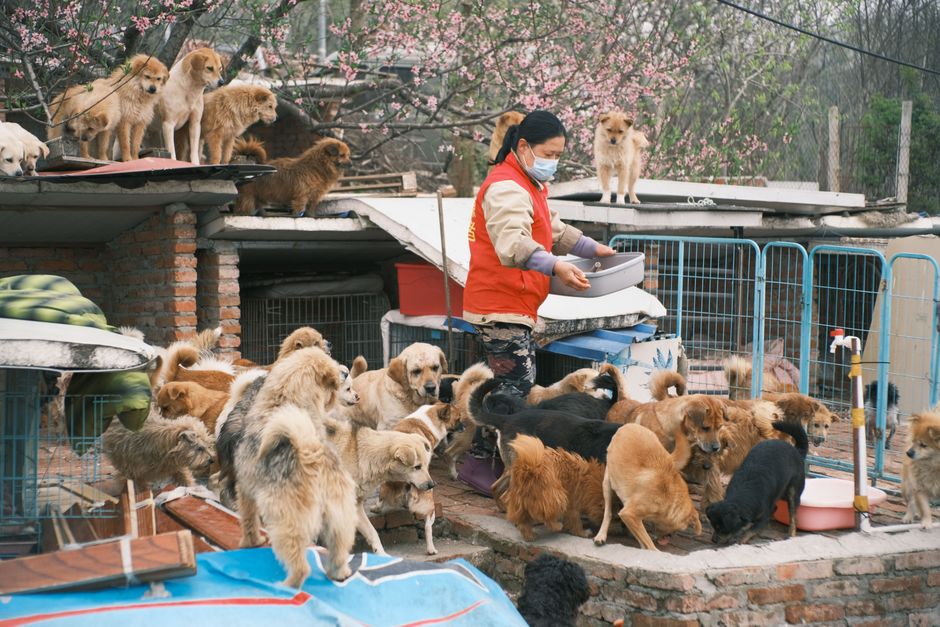
Clean, dry bedding helps keep animals comfortable, but a winter blanket drive should begin with a question, not a collection bin. Shelters differ in what they can wash, store, and safely use. Ask whether they currently want towels, flat sheets, fleece blankets, kennel mats, or specific bed sizes. Check whether gently used items are accepted and whether they must be washed before drop-off.
Choose items that are intact, easy to launder, and free of loose decorations or parts an animal might pull off. Avoid sending a collection of damaged bedding and assuming staff will sort it. Wet or heavily soiled items can create more work instead of reducing it.
Warming devices are a separate question. Heating pads, electric blankets, and heated beds should not be donated for kennel use without the shelter's explicit approval. The team needs to decide whether an item fits its electrical, cleaning, and animal safety procedures. The same principle applies to coats and boots: ask whether the shelter uses them, in which sizes, and for which animals. A coat that gets wet, fits poorly, or restricts movement is not automatically an improvement.
Cleaning and laundry supplies help protect daily operations
Unremarkable supplies often make a real difference. Kennels, food bowls, bedding, floors, and transport equipment need regular cleaning. Winter can bring muddy paws and damp fabrics, adding to the laundry and cleanup burden. A shelter may therefore value its preferred detergent or trash bags more than another box of toys.
Ask for exact specifications before buying:
- Which laundry detergent and package size do you use?
- Do you need paper towels, trash bags, disposable gloves, or cleaning cloths?
- Which disinfectants are approved for your animal areas?
- Can you accept bulk containers, or is storage limited?
Never assume that a household cleaner is suitable for animal housing. Shelters use cleaning procedures designed around their spaces and the animals in their care. Bring the requested product rather than substituting a stronger-smelling or cheaper alternative. Never mix cleaning chemicals, and leave dilution and application to trained staff.
Food and enrichment should match the animals, not the donor's preferences
Food is essential, but an unscheduled food drive can produce a patchwork of diets a shelter cannot readily use. Ask for the brand, formula, package size, and whether the organization accepts only unopened items. Check packaging and expiration dates before you drop anything off. If the shelter requests food for an animal with a particular medical need, follow its exact instructions rather than choosing a product that merely sounds similar.
Enrichment is another valuable winter need. When weather limits outdoor time, approved food-stuffable toys, puzzle feeders, or other activities can give dogs something appropriate to do. What works depends on the animal and the shelter's supervision and cleaning policies. Some dogs destroy soft toys; some items cannot be disinfected easily; some activities need staff oversight. Ask what the enrichment team uses before purchasing in bulk.
If you are volunteering, enrichment does not have to mean handing every dog the same toy. Following an animal's individual plan may involve a calm walk, supervised play, or another activity chosen by staff. Your role is to make that plan possible, not improvise a new one in the kennel.
Transportation and winter safety need planning
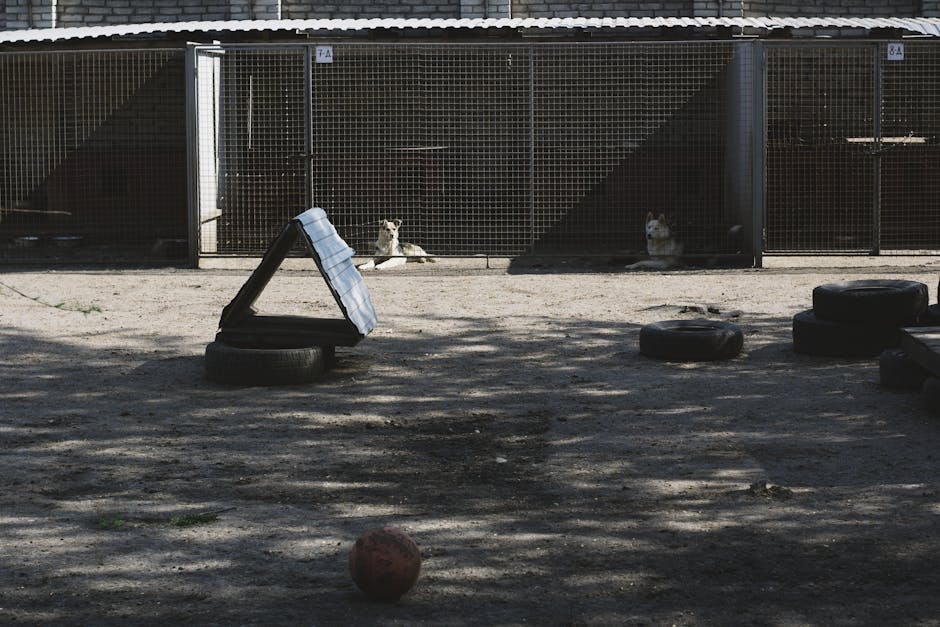
A shelter animal may need a ride to a veterinary appointment, foster home, or adoption event regardless of the weather. If you can drive, ask whether the organization needs approved transport volunteers and what its requirements are. The team may have rules for crates, restraints, documentation, vehicle setup, and handoffs. Do not move an animal or change a destination without authorization.
Weather makes judgment as important as availability. Agree on a cancellation and backup plan before a storm arrives. If a trip is not safe, the shelter needs to know early enough to make another arrangement. Volunteers can also help by reporting slippery entrances or walkways to staff rather than applying a product without permission.
Ice melt deserves particular care around dogs. Residue on paws can irritate them, and a dog may lick its feet afterward. The phrase “pet-safe” on a package is not a substitute for a shelter's approved product and cleaning procedure. Ask before donating ice melt or treating a shelter walkway. For practical advice you can also use with your own dog, read our winter dog walk safety guide.
Help adoptable animals reach the right people
Adoption promotion can be done without a car, spare room, or large budget. Good photos and clear descriptions make it easier for prospective adopters to learn about an animal and take the next step. The important word is accurate. Share the shelter's current listing, location, and application instructions. Do not add a claim that a dog is good with cats, children, or other dogs unless the organization has confirmed it.
If you have photography or writing skills, ask whether the shelter wants volunteer help creating profiles. A useful photograph should show the dog clearly and reflect how the animal actually looks. The shelter should decide what behavior and medical information can be included. Our article on photographing black dogs for adoption profiles offers practical ideas, and our adoption video guide can help when the shelter wants short clips.
When you share a listing, link people back to the shelter's official adoption process rather than collecting inquiries yourself. Check that the animal is still available before resharing an older post. An appealing but outdated listing can create avoidable work for staff and disappointment for potential adopters.
How to choose the best way to help this week
The most useful winter contribution is not always the most visible one. We recommend a simple sequence that puts the shelter's actual workload first.
- Contact one organization directly. Ask for its current winter wish list and its most urgent noncash needs. Municipal shelters, private rescues, and foster-based organizations may give different answers.
- Match the need to a resource you can reliably offer. A spare room may suit fostering; a regular free morning may suit laundry; a vehicle may suit approved transport. If you can only help remotely, ask about profiles or foster recruitment.
- Confirm the details. For supplies, get the exact item and drop-off instructions. For volunteering, ask about orientation. For fostering, clarify care, supplies, veterinary arrangements, and the expected commitment.
- Follow through and check back. Arrive when expected, label requested supplies if the shelter asks, and tell your contact early if plans change. Afterward, ask what would be useful next rather than assuming the need stayed the same.
If you are organizing a neighborhood collection, do the same homework before announcing it. Publish a short, shelter-approved list of accepted items and a firm collection window. Sort items before delivery so staff do not have to inspect an unsorted pile during a busy shift. The goal is to transfer help, not work.
Best practices for winter donations and volunteering
- Prioritize fit over quantity. One requested item can be more useful than a large box of things the shelter cannot use.
- Respect safety rules. Ask before bringing electric warming products, medications, prescription diets, cleaning chemicals, or toys with removable parts.
- Think about storage. A shelter may need supplies but have nowhere to keep a large delivery. Coordinate timing and amounts.
- Protect the animals' routines. Follow staff guidance on handling, feeding, introductions, and enrichment, even if you do things differently at home.
- Make specific offers. “I can wash bedding on Tuesday mornings” is easier to act on than “Let me know if you need anything.”
- Keep support sustainable. Choose a commitment that fits your household, health, and travel conditions. Dependability is a gift in itself.
What everyday searches can add to hands-on help
Practical help and financial support are complementary. A volunteer can take on a shift, while a funding source helps a shelter pay for food and care that cannot be replaced with donated time. DogDog is a free search engine that raises money to help feed dogs and provide doggy health check-ups through everyday searches.
DogDog describes approximately 100 unique searches as generating enough donations to cover the cost of one dog meal, and approximately 2,500 unique searches as enough for a veterinary check-up. These are approximate donation equivalents, not a promise that an individual search delivers a meal or schedules an appointment for a particular dog. DogDog donates half its profits to help dogs in need through the Cesar Millan Foundation.
We have seen why that flexible support matters. Funds raised through DogDog and its sister site Goodsearch have helped animals including Daisy, one of 49 dogs rescued from a Las Cruces puppy mill. Animal Village New Mexico used a donation toward Daisy's ear surgery, eye treatments, and spay surgery. Donations earned from everyday searches also helped offset the costs of caring for Frenchie, a dog found in a dumpster who needed three surgeries; Animal Rescue of Fresno nursed him back to health and worked to find him a home. Those stories do not make a search a substitute for fostering or volunteering. They show how everyday support can sit alongside the hands-on care rescue teams provide.
Frequently asked questions
What do animal shelters need most in winter if I cannot donate money?
Ask your local shelter about foster homes, reliable volunteer shifts, approved bedding and cleaning supplies, transport, and adoption promotion. Its most urgent need may change from week to week. A specific, confirmed offer is more helpful than guessing.
Are old blankets good donations for animal shelters?
They can be if the shelter accepts used bedding and the blankets are clean, intact, and suitable for its laundry system. Ask which fabrics and sizes it wants. Do not drop off damaged or soiled items without approval.
Do shelter dogs need winter coats?
Some dogs may benefit from a well-fitting coat for outdoor time, particularly if they are small, short-haired, senior, underweight, or medically vulnerable. Not every dog needs one, and a shelter may already have the sizes it uses. Ask before buying coats, sweaters, or boots.
Can I foster a dog if I only have limited availability?
Possibly. Tell the foster coordinator your exact availability, home setup, and any resident pets. The shelter can explain whether it has a suitable placement and what the commitment involves. Do not assume every organization offers short-term fostering or that any particular animal can move between homes.
What if I cannot visit a shelter in person?
Ask whether it needs remote help with approved adoption profiles, photography editing, outreach, or sharing current foster requests. You can also support shelter dogs during ordinary online activity by using DogDog for your searches. Remote work still needs coordination so that information stays accurate.
Should I bring food, toys, or cleaning products without asking first?
No. Diets, toy safety rules, disinfectants, and storage space vary. A quick call or a current wish list will tell you what the shelter can use now and when it can accept a delivery.
Start with one dependable offer
The question to ask this winter is not “What can I give?” but “What task or item would make care easier for your team right now?” Listen to the answer, confirm the details, and follow through. A foster home, a clean stack of approved bedding, a covered shift, or an accurate adoption post can all meet a need that money alone does not fill. And when hands-on help is not possible, everyday searches on DogDog offer another free way to support dogs waiting for care and a home.