Decoding Your Dog's Body Language: 5 Key Signs Every Owner Should Know
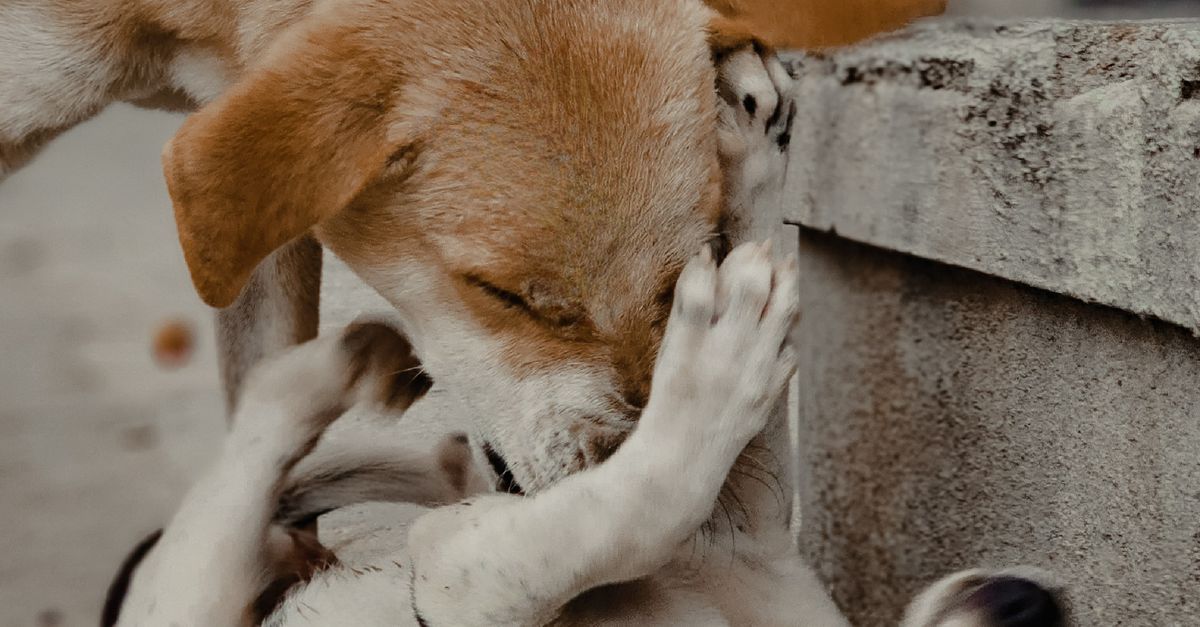
As dog lovers, we know that communication with our furry friends goes far beyond simple barks and playful antics. Every glance, wag, or subtle shift in their posture tells a story about what they are feeling. Over the years, through our own personal experiences and a deep dive into the research, we have come to appreciate that understanding a dog's body language is one of the most valuable ways to strengthen the bond with our pet. Whether it’s the quiver of their tail or the tilt of an ear, these signals can help us interpret their emotions accurately, from joy and excitement to anxiety and distress. In this guide, we’ll explore the five key signs that every dog owner should know, diving deep into what each gesture means and how you can respond to ensure your dog feels safe and loved. This insight not only helps in everyday interactions but also plays a crucial role in managing challenging situations and preventing miscommunications that, in some cases, can lead to more serious issues.
1. Tail Position: More Than Just a Wag
The tail is often the most noticeable aspect of a dog's body language, yet its signals can be very nuanced. While it might be tempting to think that a wagging tail is a sure sign of happiness, the reality is much more complex. A tail held high and wagging stiffly might be interpreted as alertness or even agitation, whereas a tucked tail can be an indicator of fear or submission. In our experience, observing the variations in tail movement helps us decide when our pet is excited to greet someone versus when they’re feeling uncertain or stressed.
Here are some key tail signals to watch out for:
- High stiff wag: This can signal agitation or high alertness. Notice if it is paired with a forward-leaning posture, a sign that our dog might be ready to react quickly in uncertain situations.
- Low, tucked tail: Often a sign of fear or submission. When we see this, it is important to create a calm and safe space for your dog, perhaps by removing the source of stress.
- Loose, circular wag: Generally indicates that your dog is feeling joyful and relaxed. This is the classic tail wag we love to see during a happy reunion.
Observing the tail in conjunction with other body language signals gives us a holistic view of our dog's emotional state. For instance, a high stiff wag combined with a tense body might be a warning to proceed with caution, while a relaxed wag in a calm setting reinforces that your dog is content.

2. Ear Positioning: Your Dog's Mood Barometer
Our dogs use their ears much like we use facial expressions. The positioning of a dog’s ears can be an immediate giveaway of their mood. When your dog’s ears are perked up and facing forward, it generally indicates curiosity or alertness. However, if the ears are pinned back, it might signal fear, anxiety, or even discomfort. In our daily interactions, we’ve learned that reading these signals early on can prevent unwanted escalation situations, particularly in environments that might be stressful for our dogs, such as crowded parks or busy streets.
Below is a simple reference table to help you decode your dog's ear positions:
| Ear Position | Emotional State | Recommended Action |
|---|---|---|
| Forward & alert | Interest or curiosity | Observe for signs of excitement that may transition into intense focus |
| Pinned back | Anxiety or fear | Give the dog some space and reduce potential stressors |
| Neutral, relaxed | Contentment and calm | Maintain a soothing environment |
Paying attention to these details means you can proactively adjust interactions to keep your dog comfortable. For example, if you see your pet’s ears gradually shifting from forward to pinned back during a noisy situation, it can be a cue to distract them with a soothing tone or remove them from the stressful environment altogether.

3. Eye Signals: The Windows to Canine Emotions
If eyes are the windows to the soul for humans, then a dog’s eyes are powerful indicators of what they are experiencing emotionally. A soft, relaxed gaze usually suggests that your dog is comfortable and at ease, while a fixed or hard stare can sometimes be a precursor to aggressive behavior. One of the more subtle yet telling signs is the phenomenon known as the 'whale eye' – where the white of the eye is visible. This can indicate heightened stress or anxiety, particularly in situations where your dog might be feeling cornered or overwhelmed.
Key eye signals include:
- Soft, steady gaze: Indicates that your dog feels safe and is relaxed in the present moment.
- Whale eye: The display of the white of the eyes is a subtle sign that your dog might be feeling stressed. It frequently occurs during unfamiliar or intense situations.
- Intense or prolonged stare: May be a warning sign. While it could be an invitation for engagement in positive situations, in certain contexts it might precede confrontational behavior. Monitoring the surrounding context is crucial.
By combining your observations of your dog’s eye behavior with other signals such as tail and ear positioning, you gain a much clearer picture of how your dog truly feels. This integrated approach that we recommend has helped many of us recognize subtle signs early on and prevent stressful scenarios before they escalate.
4. Stress Signals: Recognizing Subtle Anxiety Cues
Often, dogs exhibit stress in ways that may be easily overlooked. These subtle signals serve as early warnings that your pet might be feeling overwhelmed or anxious. Recognizing these cues not only helps prevent potential outbursts but also ensures that your dog can be comforted before minor tension turns into a significant stress response.
Common stress signals include:
- Lip licking without food: This is a frequently observed behavior when a dog is nervous. It can often appear when your dog is in a new environment or encountering unfamiliar people.
- Excessive panting in a cool environment: Panting is normal after exercise, but if your dog is panting heavily when the temperature is not high, it may be a sign of anxiety.
- Subtle shaking or trembling: Unlike shivering from cold, a trembling body can indicate that your dog is experiencing emotional stress.
- Paw lifting or shifting weight: Repeatedly lifting a paw or changing stance can be a dog’s way of signaling discomfort or a desire for a pause in interaction.
In our experience, early intervention is key. When we notice these signals, taking a moment to comfort our dog by using a calm voice or gentle petting often helps to diffuse the situation. Over time, this attentiveness not only reduces the chances of a stressful escalation but also builds trust between you and your dog.
5. Posture Clusters: Putting the Puzzle Together
While individual signs like tail and ear position can tell you a lot, it is the combination of these signals—what we refer to as posture clusters—that truly reveals what your dog is experiencing. Rather than interpreting body language in isolation, look at the overall picture. For example, a dog that performs a play bow (with the front legs down and the rear end up) is usually inviting you to interact and engage in play. Conversely, a dog that freezes or exhibits a curved body while looking away might be asking for some space.
Consider these common posture clusters:
- Play Bow: With the front lowered and the tail often wagging gently, the play bow is your dog’s way of saying 'let’s play'. It’s an invitation that should be met with a light, cheerful response.
- Freezing with a fixed gaze: This posture is a warning sign. It indicates that your dog might be feeling threatened or unsure. In such cases, it could be best to give your dog some space and avoid further stimulation.
- Curved body or leaning away: This subtle cue indicates that your dog is uncomfortable and may be asking for distance. Recognizing this early helps in preventing further stress by modifying the interaction or environment.
At DogDog, we believe that building a deeper understanding of these clusters is essential in preventing miscommunication. We have seen firsthand how acknowledging and responding to these body language signals creates a more harmonious environment not only for our pets but also for us as their caretakers. By considering the entirety of your dog's body language, you can better assess their needs and take appropriate action before a minor issue escalates.

Pro Tips for Interpreting Your Dog's Body Language
Here are some practical tips and suggestions that we have found particularly useful for refining the art of reading your dog’s signals:
- Daily Observations: Spend a few minutes each day simply observing your dog in a relaxed state. This helps you understand what their neutral behavior looks like, so you can spot deviations more easily.
- Record and Review: Occasionally record your dog’s behavior during different times of the day or situations. This not only helps you notice subtle cues you might miss in the moment but also provides a reference over time.
- Adapt Your Environment: If you notice a recurring stress signal in a particular scenario—like during car rides or when guests arrive—try to pinpoint the trigger and adjust the setting to make it more comfortable for your dog.
- Educate Yourself Continuously: Dog behavior is complex, and the more you learn, the better you become at understanding your pet’s unique personality. There are many trusted resources online, and engaging with seasoned dog experts can be very enlightening.
Remember that every dog is unique. Some might exhibit subtle cues while others use more overt body language. The key is to observe these signals collectively rather than in isolation. This integrated approach helps build a better understanding of your dog’s emotional needs and creates a stronger, safer bond between you both.
In conclusion, being attuned to your dog’s body language is not just about preventing misunderstandings—it’s about deepening the connection you share. It empowers you to respond to their needs with empathy and confidence, ensuring that every interaction is a step toward a more secure and joyful relationship.
At DogDog, we are passionate about making a positive impact in the lives of shelter dogs, and understanding your own dog’s signals is a wonderful step in creating a more compassionate world for all our furry friends. Discover more about our mission and start making a difference with every search on our platform by visiting DogDog.