5 Sustainable Protein Sources to Try in Your Dog's Diet

As dog lovers and animal advocates at DogDog, we're always looking for ways to make a meaningful impact—not just for our own pets, but for pups everywhere, especially those in shelters. One trend that we've seen rising is an interest in sustainable protein sources for dog diets. And it’s not just a buzzword: by exploring alternative and planet-friendly proteins, you can help minimize your environmental pawprint while giving your best friend all the goodness they deserve. Let’s dig deep (pun intended) into five of the most promising sustainable protein sources you might want to consider for your dog's diet, along with practical guidance, nutritional insights, and our own point of view.
Why Sustainable Protein? Why Now?
- Environmental impact: Traditional meat production consumes vast resources—land, water, and feed. Switching to sustainable proteins helps ease the environmental burden.
- Shelter animal benefit: The more people choose sustainable options, the more we can help reduce demand for unsustainable meat, creating a better world for both companion and shelter animals.
- Nutritional variety: Many alternative proteins offer beneficial amino acids, vitamins, and minerals, supporting your dog's long-term health.
1. Insect Protein
Yes, you read that right! Insect protein, especially from crickets and black soldier fly larvae, is already being lauded as one of the most eco-friendly protein sources for both humans and pets. Bugs are super-efficient at converting feed into protein, need very little land and water, and emit far fewer greenhouse gases compared to traditional livestock.
- Rich in protein and essential fatty acids: Suitable for many dogs with food allergies.
- Digestibility: High digestibility makes it ideal for sensitive stomachs.
Many commercial dog foods are now using insect meals, and some are even available in treat form. If you’re interested, chat with your vet about introducing this protein to your dog’s bowl.
2. Fish and Marine Proteins (Sustainably Sourced)
Fish proteins—like sardine, mackerel, or pollock—can be a wonderful source for dogs, providing omega-3 fatty acids for shiny coats and healthy joints. The key is to ensure that your fish is sustainably sourced: look for certifications or clear sourcing info to avoid overfished or environmentally damaging options. Many sustainable fish byproducts, such as fish meal or fish oil, make excellent components in dog diets.
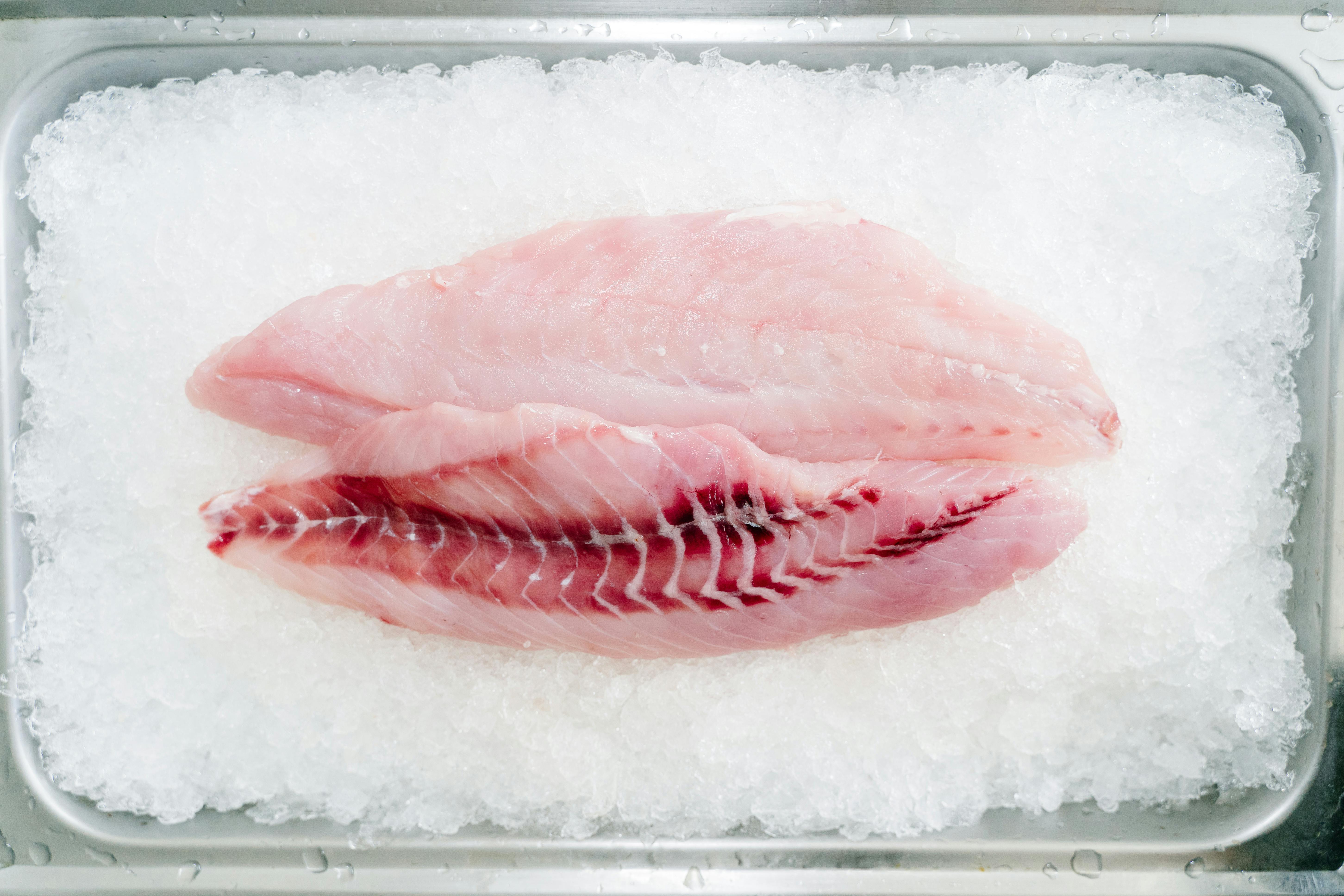
- Eco-tip: Small wild-caught fish like sardines are often lower on the food chain, which makes them a more renewable option than large game fish like tuna or salmon.
- Pro tip: Mix in a spoonful of fish oil or sardines (packed in water, no salt) as an occasional topper.
3. Legumes: Lentils and Chickpeas
Plant-based proteins are rising stars in the world of sustainable dog food, and lentils and chickpeas lead the way. Both are rich in protein, fiber, and micronutrients, making them excellent choices for dogs—especially when used to supplement animal protein. Their ability to fix atmospheric nitrogen as they grow means they enrich soil rather than deplete it.

- Low carbon footprint: Beans, lentils, and chickpeas require minimal water and little to no synthetic fertilizer.
- Nutritional bonus: Excellent for digestive health thanks to high fiber content. Can be good for dogs on calorie-controlled diets, but should never be the only protein source.
We recommend starting slow—substitute a tablespoon of cooked (plain, unsalted) lentils or chickpeas into your dog’s food and see how they do.
4. Eggs: Local, Free-Range, or Backyard
Eggs are a powerhouse of nutrition for dogs, containing almost every essential amino acid in a highly bioavailable form. By opting for local, free-range, or backyard eggs, you’re supporting more humane and sustainable agriculture practices while feeding your pup something delicious and nourishing.

- Minimal processing: Better for the planet and your dog’s health.
- Easy to prepare: Scrambled, boiled, or raw (if you’re comfortable with the source and your vet approves).
Just be sure to introduce eggs slowly and avoid adding seasonings. Dogs with certain allergies or sensitivities may not tolerate them, so introduce carefully.
5. Algae and Plant-Based Proteins (Spirulina, Yeast, and More)
Algae like spirulina and certain yeast-based proteins offer some of the lowest environmental impact of any protein source, with very high yield per acre and low input needs. Spirulina, in particular, is loaded with vital nutrients and antioxidants. While not a primary protein for most dogs, it can be an excellent supplement for immune health and vibrant coat.
- Superfood status: Small but mighty—just a sprinkle can provide a boost in nutrients.
- Fast-growing and low-impact: Algae can be cultivated using very little land or water, making it a true sustainability super star.
Dip your paws in slowly—add a very small amount to your dog’s meal as a topper or supplement, and watch for any reactions.
Transition Tips: How to Safely Introduce New Proteins
- Consult your veterinarian: Every dog is unique! Particularly for puppies, seniors, or dogs with allergies or sensitivities, always check with a pro first.
- Go slow: Mix small amounts of the new protein in with their regular food over 7–10 days, watching for any digestive or allergy issues.
- Balance is key: Dogs do best with a blend of protein sources to ensure they’re getting all the essential amino acids and nutrients. No single protein should dominate their diet without consulting a canine nutritionist or vet.
Making Every Bowl—and Every Search—Count
At DogDog, our passion is bigger than just our own pack. With every search you make, you help fund vital meals and checkups for shelter dogs. By making thoughtful choices about what’s in our pups’ bowls, and consciously supporting more sustainable food systems, we help not only our own dogs but millions more who depend on donations and care from compassionate people. If you want a simple way to help every time you search the web, consider making DogDog your default search engine. It’s free and does real good with every query!
Together, by wagging tails and choosing wisely, we can build a brighter, greener—and more delicious—future for all dogs. Happy feeding!