5 Common Mistakes to Avoid When Bringing Home a Rescue Dog
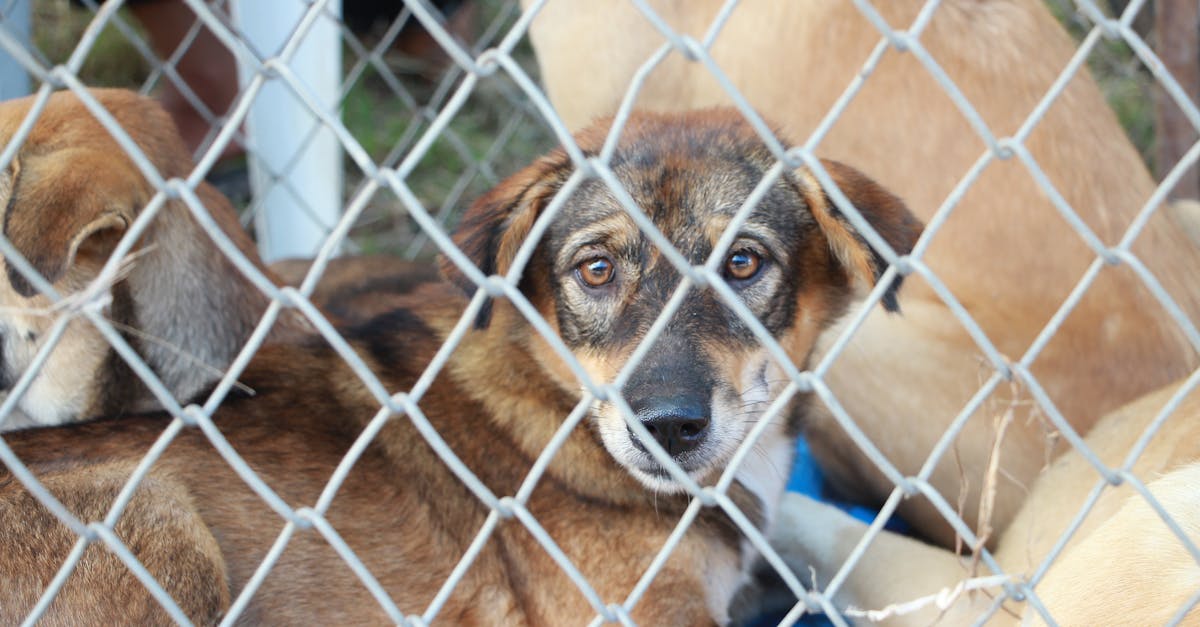
Welcoming a rescue dog into your home is one of the most rewarding ways we can make a difference for animals in need. Still, many of us unintentionally set back a new companion’s adjustment by missing the small details that matter most in the early days. At DogDog, we’ve spent years helping shelters and adopters work towards brighter futures for countless dogs. We’ve seen what works (and what doesn’t). If you’re preparing to bring home a rescue pup, here’s what you really need to know—plus the most common pitfalls we advise avoiding for a successful start together.
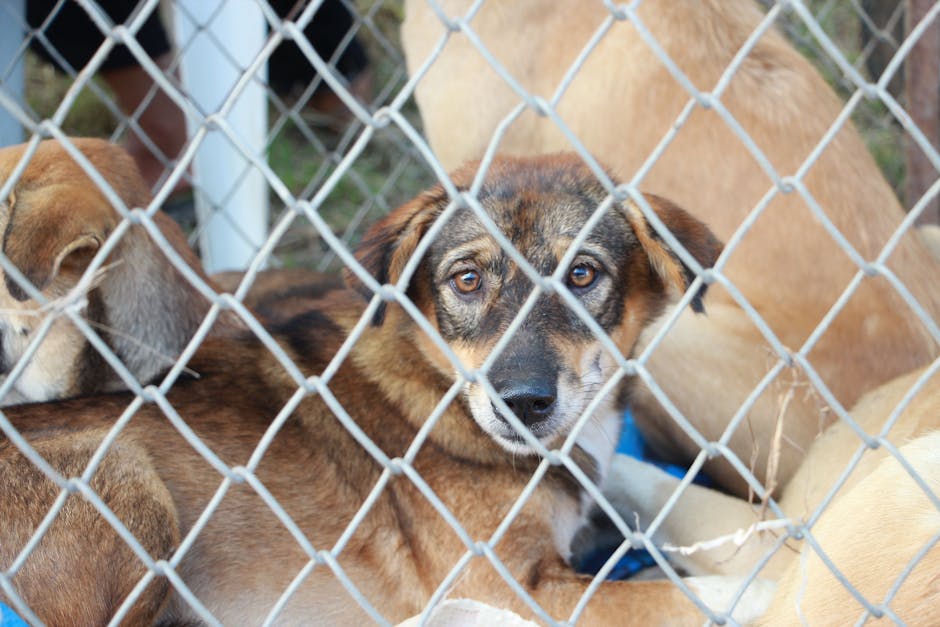
1. Rushing the Adjustment Stage: Why Patience Matters Most
When a newly adopted dog enters your home, it’s natural to want to offer them everything they’ve ever dreamt of—attention, cuddles, adventures, treats, and playdates. What we’ve learned, though, is that rescue dogs often need much more time and space to decompress than many expect.
- The 3-3-3 rule is essential: Plan for about 3 days for your dog to decompress, at least 3 weeks to understand your family's routine, and up to 3 months to feel truly at home and form lasting bonds. This isn’t just a catchy timeline, but something we’ve witnessed transform fearful dogs into relaxed family companions.
- Keep it calm and simple: Limit new visitors, avoid dog parks or busy outings, and instead offer your pup a quiet bed or safe space where they can retreat. Observe their comfort level and let them decide when they’re ready for more.
We can’t stress enough how many behavior issues—like hiding, barking, accidents, or nipping—can be avoided by honoring this slow, steady pace. Overwhelm is real!
2. Being Inconsistent with Boundaries
We so often hear from rescuers: "I let them sleep on the bed that first night, and now they won't sleep anywhere else!" or "I felt bad reprimanding them, so I just ignored it." Especially when a dog’s history feels sad, we tend to go soft on boundaries. Yet, this can lead to confusion, insecurity, or problematic behaviors that are much tougher to address later.
- Decide on house rules (and stick to them): Choose where your dog sleeps, where they’re allowed, and routines for exercise and meals.
- Remain gentle yet consistent: Use positive reinforcement and redirect unwanted actions (like jumping or barking) in the same way, every time.
Structure helps dogs feel secure and reduces stress in a brand new environment. It also helps develop trust between you both, which is the foundation for a happy relationship. For more on setting routines and initial bonding, see our post on easing the transition for your new rescue dog.

3. Sudden Diet Changes and Ignoring Digestive Needs
We want to spoil our dogs with new meals and treats, but quick changes can backfire. Many rescue dogs arrive with sensitive stomachs due to stress or previous instability. Sudden food switches often lead to upset stomachs, diarrhea, or food refusal.
- Continue with the same food provided by the shelter for at least the first week if possible. Stability in diet helps prevent tummy issues while everything else is new.
- When ready to switch, mix in about 10–20% of the new food and increase the proportion gradually over 7–10 days. Watch closely for signs of discomfort and consult a veterinarian if you notice any issues.
This careful transition supports digestive health, reduces accidents, and helps your pup feel secure in their meal routine. Need more on dog health and nutrition after adoption? Explore our guide to personalized dog nutrition.
4. Neglecting Socialization and the Right Level of Exercise
Every dog’s background is different. Some arrive shy and nervous; others wild with pent-up energy. Missing out on slow, positive socialization and exercise is a pitfall we wish every adopter could dodge.
- Socialization: Wait until your dog feels some home confidence, then introduce new people, sounds, sights, and experiences one at a time. Make every new thing a positive, rewarding experience—this builds trust and keeps your dog’s world from feeling scary all over again.
- Exercise: Shelter dogs may not have consistent access to play or walks. Gauge their needs based on breed, age, and health, but most dogs benefit from multiple short walks or play periods every day. Enrichment toys or puzzles give mental exercise for nervous or older dogs.
Balanced activity supports both body and mind, reducing destructive or anxious behaviors. Want more helpful enrichment ideas? Check out our budget-friendly tips for helping shelter dogs (most work at home, too!).
5. Delaying Vet Visits and Early Training
While it’s tempting to let your new dog "settle in" before addressing health or training, the sooner you start, the better the outcomes. Many medical issues (from parasites to ear infections) may not be obvious but, if caught early, can be treated before they cause major problems.
- Book a vet appointment within the first week: Bring all records from the shelter and ask for a thorough exam, plus info on necessary boosters, parasite prevention, and microchipping if not already done.
- Begin gentle, positive training right away: Start with simple commands, leash walking, and "settle" routines. Even one or two minutes at a time works! Early investment in training builds trust and gives your dog welcome clarity during the adjustment period.
Want support prepping for that first vet visit? We cover everything, from paperwork to prepping nervous pups, in our detailed guide How to Prepare Your Dog for a Stress-Free Vet Visit.

Real-World Lessons: Recovering from Mistakes (and Celebrating Success)
At DogDog, we’ve seen firsthand how patience and structure change everything. Sunny’s story, for example, is one we will always remember: rescued from neglect and in need of surgery and behavioral healing, her greatest progress came from a family willing to take things slowly, stick to a calm routine, and call in help when needed. Their patience—and the community support that funded her care—are the blueprint for every adoption story we hope to see replicated.
For those who want a deeper look at the ways donations and community actions can change outcomes for shelter animals, check our blog on transformative fundraising events for shelter dogs and read how collective small efforts make big impacts.
Recap: Setting Up Everyone for Success
In summary, the biggest gift we can give a rescue dog is a patient transition, clear structure, health support, and steady, gentle socialization. These principles are rooted in compassion and backed by countless success stories. Let’s help every rescue thrive, starting day one.
Every time you use DogDog as your search engine, you support the ongoing care and health of dogs still waiting for homes. Small steps, like clicks or thoughtful transitions, make a far bigger impact than most people realize. Thank you for bringing rescue dogs home and giving them the new chapter they deserve.